Booking choice: The in-depth glass factory tour. Book this Compare options below
In 1291 a Venetian law moved most of the city's glassmaking to Murano. The reasons were practical and strategic: furnaces were a fire risk in a city of mostly wooden buildings, and the move helped keep the craft's knowledge away from competitors. From that time, Murano became the centre of Venetian glass, and its makers produced mirrors, chandeliers, goblets and beads that were sought across Europe.
Today visitors can see glass made on the island, buy pieces to take home and study the history at the Museo del Vetro. Because imitations are common, it helps to know what to look for before you buy. To choose a factory tour or workshop, read the guide to Murano tours. To plan the trip, read how to get to Murano.
Quick answer
Genuine Murano glass is made on the island by local makers. The 'Vetro Artistico Murano' trademark, regulated by Veneto Regional Law no. 70 of 1994, certifies glass made on Murano. When buying, ask who made the piece and where, look for the trademark, prefer pieces made on the island and take your time. The Glass Museum shows the craft's history from antiquity to the 20th century.
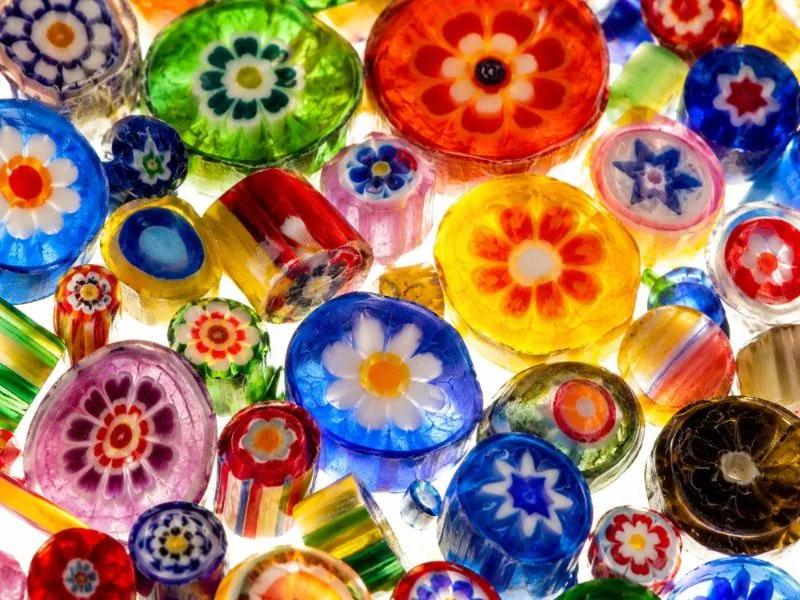
Why is glassmaking based on Murano?
A law of 8 November 1291 confined most of Venice's glassmaking to Murano, to reduce the risk of fire in the city and to protect the craft's know-how.
Venice was then a city of mostly wooden buildings, and glass furnaces burned day and night. Moving them to Murano reduced the danger. It also made it easier to control the makers and their knowledge. Guild rules from around 1271 already protected trade secrets, and the move to the island strengthened that protection.
Glassmakers became privileged citizens. By the 14th century they were allowed to wear swords and had immunity from prosecution by the state, and their daughters married into wealthy Venetian families. But they were forbidden to leave the Republic, so their skills stayed in Venice.
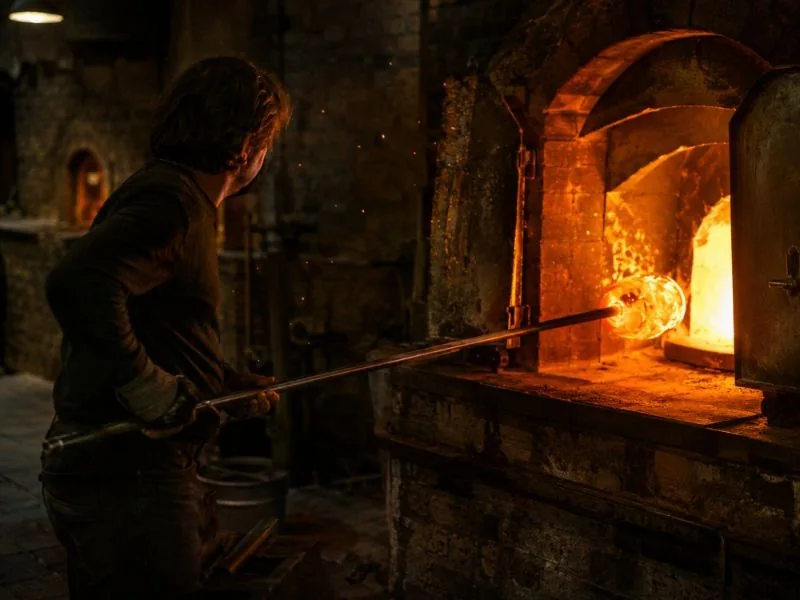
What is cristallo and how did Murano glass develop?
Cristallo is a nearly transparent soda glass created by Angelo Barovier in the 15th century. The earliest reference to it dates from 24 May 1453.
Cristallo made Murano famous, because it was clearer than most glass of its time. Mirrors followed from the 1500s. The industry declined after the fall of the Republic to Napoleon in May 1797, and revived after Venice joined Italy in 1866, with Antonio Salviati among the leaders of the revival.
The craft faces challenges today. Counterfeit imports are a long-standing problem for the island's makers, and the number of professional glassmakers has fallen sharply since 1990. Buying genuine pieces and booking time with local makers supports the people who keep the craft alive.
What are the main Murano glass techniques?
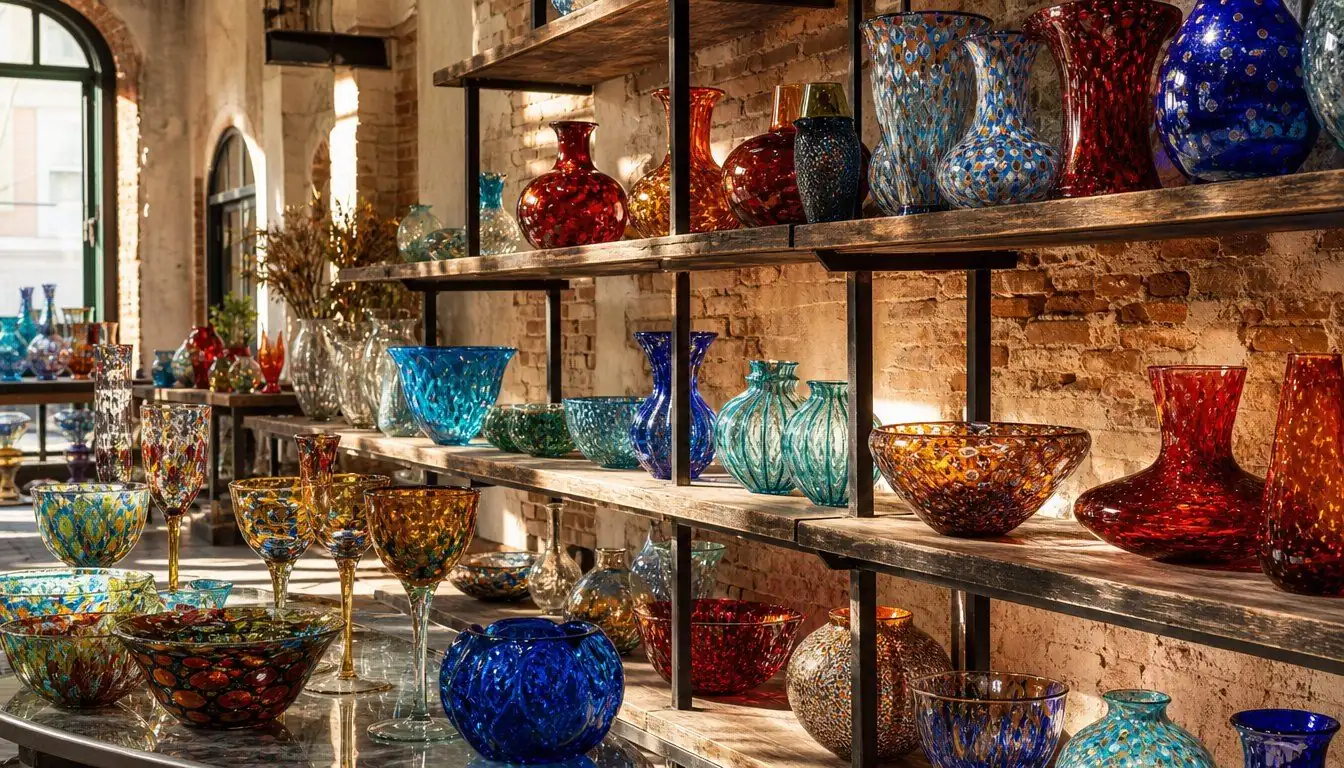
Key techniques include murrine and millefiori, lattimo, filigrana, aventurine, sommerso and lampwork for beads.
Each technique gives a different look, and many pieces combine several of them.
| Technique | What it looks like | Where you may see it |
|---|---|---|
| Murrine and millefiori | Slices of patterned glass canes, often like many small flowers | Jewellery, paperweights, bowls |
| Lattimo | Opaque milk-white glass | Vases and tableware |
| Filigrana | Fine threads of white or coloured glass inside clear glass | Goblets and decorative pieces |
| Aventurine | Glass speckled with copper that sparkles in the light | Jewellery and small objects |
| Sommerso | Layers of colour cased in clear glass | Vases and sculptures |
| Lampwork | Beads formed and decorated at a torch flame | Beads and jewellery, and the bead workshop |
How can you tell real Murano glass?
Look for the 'Vetro Artistico Murano' trademark, ask who made the piece and where, and prefer shops that can tell you the maker. Very uniform, mass-produced items may be imports.
The 'Vetro Artistico Murano' trademark certifies glass made on Murano and is regulated by Veneto Regional Law no. 70 of 1994. It exists to help buyers tell Murano-made glass from imports. Not every genuine maker uses it, but it is a useful sign.
- Ask about the maker: a seller of genuine work can usually tell you which workshop made the piece.
- Ask where it was made: prefer pieces made on the island.
- Look at the details: handmade glass often shows small variations from piece to piece.
- Be wary of identical items in large numbers: rows of the same souvenir can be a sign of mass production.
- Take your time: do not let pressure from a seller rush your decision.
See where the glass is made: a 50-minute tour for up to 8 through the batch room, hot shop and cold shop, with no obligation to buy.
Book thisHow much should you pay for Murano glass?
There is no fixed answer. The value depends on the maker, the technique, the size, the time the piece took to make and whether it was made on Murano.
A small handmade bead and a large chandelier are very different objects, so it is more useful to think about what drives the value than about a figure. Complex techniques such as murrine or sommerso take more time and skill. Larger pieces need more glass and more work. Pieces by known makers or studios usually cost more. A piece made on Murano generally costs more than a mass-produced import that looks similar.
Before you buy, ask for the maker's name, check for the trademark and compare a few shops. For a fragile or large piece, ask about shipping, packing and insurance. Some galleries offer shipping, and the glassblowing workshop listing says your own piece can be shipped at your expense.
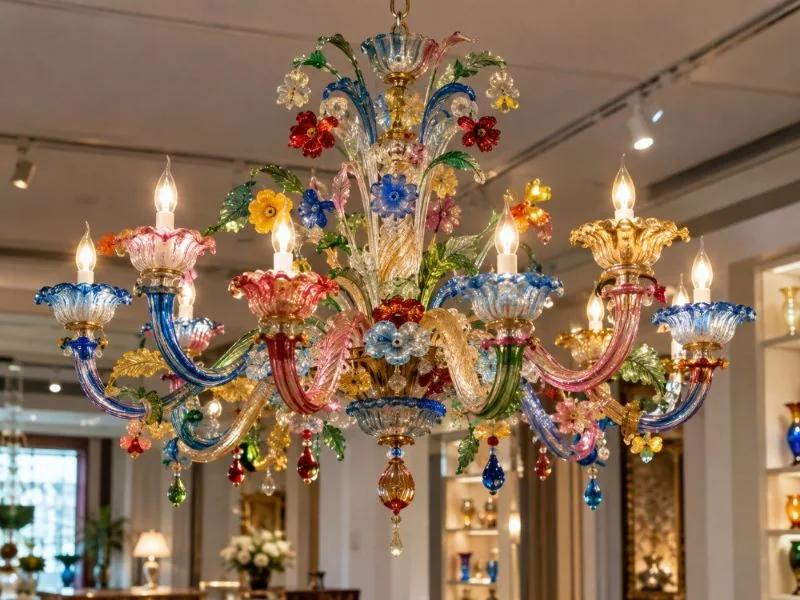
Which Murano glass factory is the best?
There is no official ranking. Choose a factory visit by what you want to see: a short demonstration on a boat tour, or a longer, in-depth tour of the whole process.
Many factories and galleries on Murano welcome visitors, and the experience varies. On many boat tours, the demonstration takes place in a factory with a showroom attached, and the visit ends among pieces for sale. A longer tour shows more of the process. The in-depth glass factory tour takes up to 8 people through the batch room, where sand and chemicals are mixed for a furnace at about 1400 C, the hot shop, and the cold shop for carving, drilling, cutting, flattening and polishing. Its listing highlights no obligation to buy. It meets in the company's gallery, not the factory, a few steps from the Murano Da Mula stop.
The listing states it is not suitable for people with mobility impairments, wheelchair users, people with epilepsy or people with a cold.
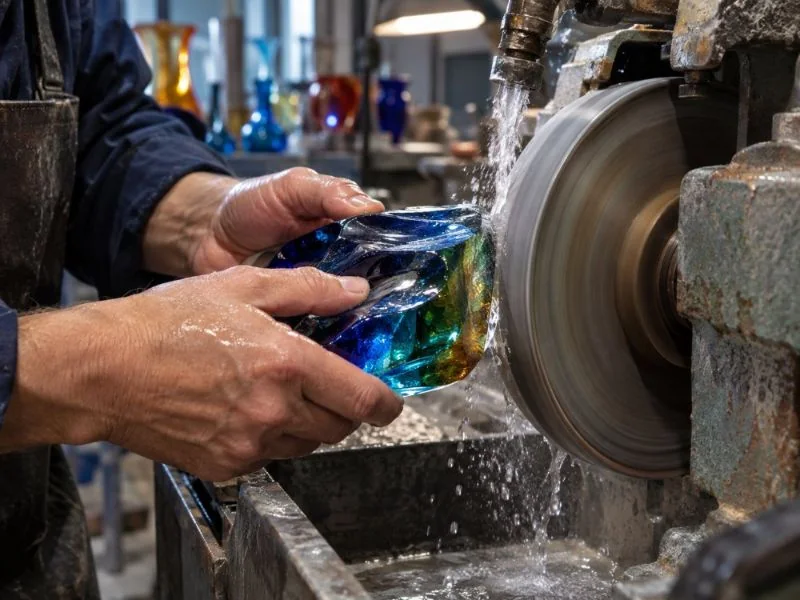
A 50-minute small-group tour in English, safety glasses included, through each stage from raw materials to polishing.
Book thisWhat can you see at the Murano Glass Museum?
The Museo del Vetro holds one of the most complete glass collections in the world, from antiquity to the 20th century, including Barovier & Toso pieces and Carlo Scarpa designs.
The museum was founded in 1861 and is at Fondamenta Giustinian 8, in Palazzo Giustinian, a Gothic palace that was the residence of Bishop Marco Giustinian from 1659. It is near the Murano Museo stop. Designs by Carlo Scarpa from the late 1930s are among the 20th century highlights.
| Period | Opening hours | Last admission |
|---|---|---|
| 1 November to 31 March | 10:00-17:00 | 16:00 |
| 1 April to 31 October | 10:00-18:00 | 17:00 |
| Fridays and Saturdays, 1 May to 26 September 2026 | 10:00-20:00 | 19:00 |
A 1-day entrance ticket to the Glass Museum, with the option to add a daily public transport ticket.
Book thisWhere can you try making Murano glass yourself?
Two workshops let you work with glass: a two-hour glassblowing workshop for beginners and a one-hour bead-making workshop with two glass artists.
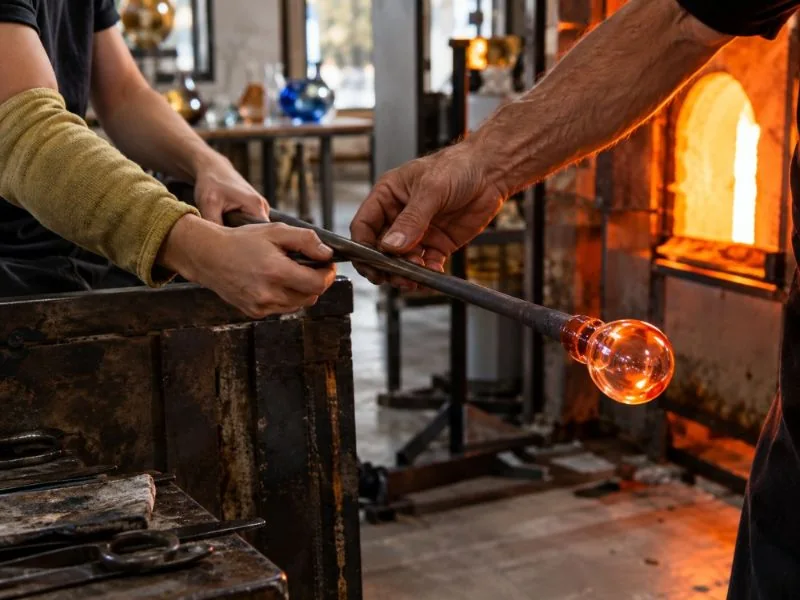
The glassblowing workshop is for up to 4 people aged 12 or over. After a live demonstration and exercises, you shape hot glass into a drinking cup or a small vase. The piece cools overnight, and you collect it the next day or have it shipped at your own expense. The listing lists many health conditions for which it is not suitable and asks for closed-toe shoes.
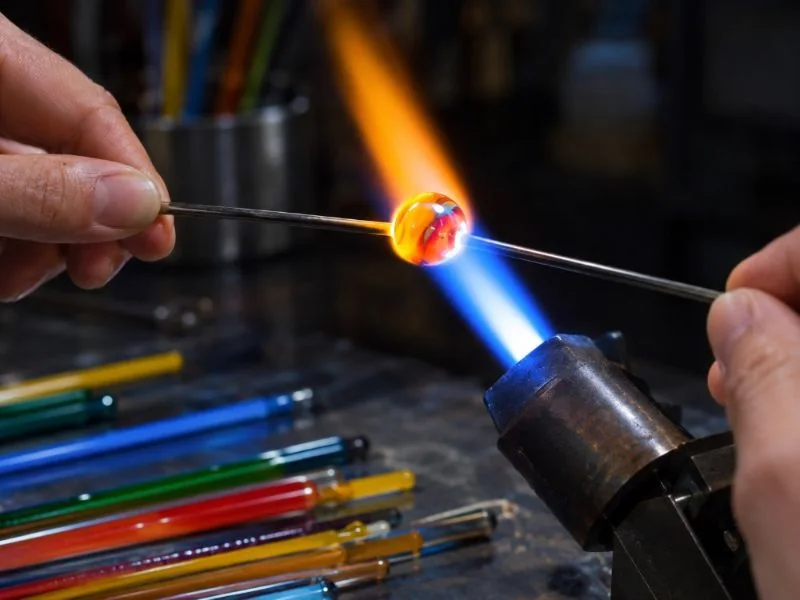
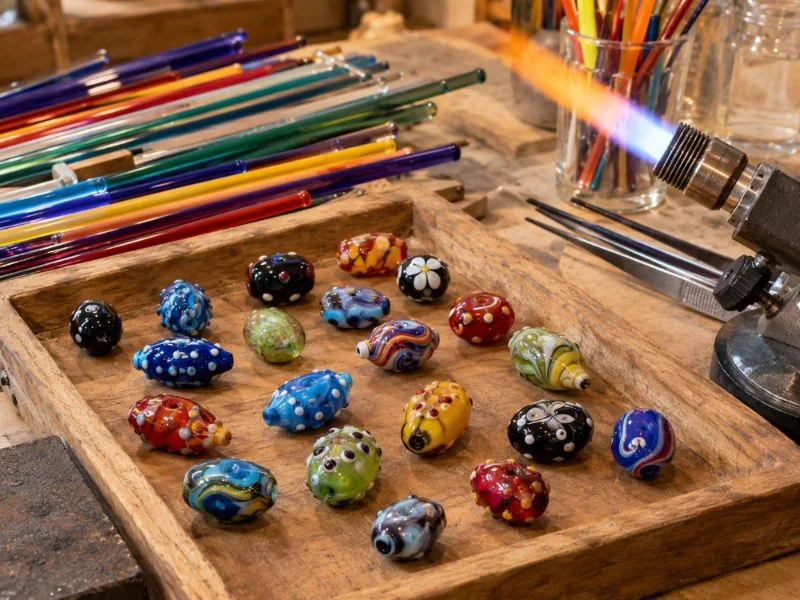
The bead-making workshop is for up to 6 people aged 14 or over. Andrea Penzo, with more than 30 years of experience, and Cristina Fiore show lampworking at a torch, then you make and decorate your own bead to take home. The meeting point is the door signed 'Opificio Vetro / Penzo+Fiore', near the Murano Museo and Murano Venier stops.
Frequently asked questions
Is all glass sold on Murano made on Murano?
No. Counterfeit imports are a long-standing problem. Look for the 'Vetro Artistico Murano' trademark and ask who made the piece.
What is the Vetro Artistico Murano trademark?
It is a trademark that certifies glass made on Murano, regulated by Veneto Regional Law no. 70 of 1994.
Can Murano glass be shipped home?
Many galleries offer shipping. Ask about packing and insurance. The glassblowing workshop listing says your piece can be shipped at your own expense.
When is the Glass Museum open late?
In 2026 it is open until 20:00 on Fridays and Saturdays from 1 May to 26 September, with last admission at 19:00.
Ready to book
Choose your tour
Booked on GetYourGuide; each listing states its own cancellation terms.
In-Depth Glass Factory Guided Tour
The batch room, the hot shop and the cold shop of a working factory, step by step; the listing says there is no obligation to buy
Glassblowing Workshop for Beginners
Hands-on work with hot glass beside a master: make a cup or a small vase, collect it the next day or have it shipped
Glass Bead Workshop with Two Artists
A lampworking demonstration, then your own decorated bead made at the torch, with coffee while it cools