Glass furnaces, quiet canals and a mosaic floor laid in 1141, ten minutes from Venice by water bus. Which tours
give Murano real time, and when to go on your own.
Island time, namedEach card says whether it is a boat combo with Burano, a Murano-only tour or a visit on the island
Limits up frontAge, group size and accessibility limits taken from each listing
Free cancellation24 hours ahead on the guided tours and workshops, as each listing states
Secure bookingBooked on GetYourGuide, ticket on your phone
Tours
Choose your Murano island tour
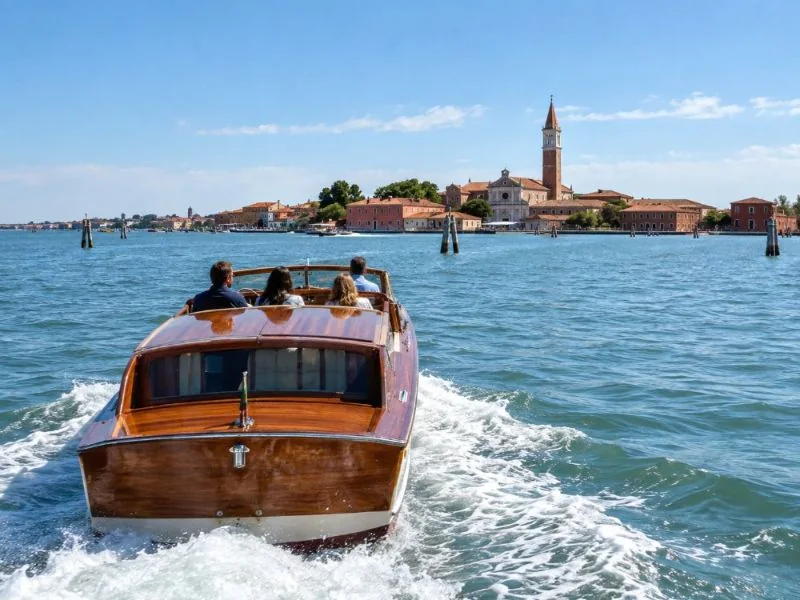
In the centre, Murano and Burano by private boat with hotel pickup. On the left, a small-group visit with a guided walk on
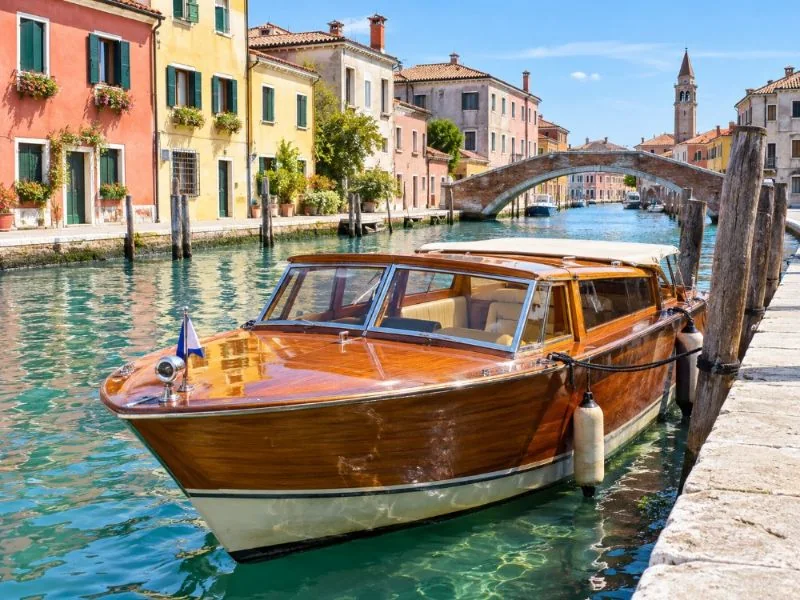
Murano. On the right, the private tour that stays on Murano, by water taxi.
A round trip by private boat with a local guide: glassblowing in a Murano workshop, then lace and painted houses on Burano. Torcello is skipped for more island time.
What is included
Round-trip private boat from Venice, with hotel pickup and drop-off
Expert English-speaking local guide and a headset
Glassmaking demonstration in a Murano workshop and a lacemaking demonstration on Burano
A discount at the glass gallery; gratuities not included
Not suitable for wheelchair users; free cancellation 24 hours ahead
The tour that stays on Murano: a water taxi from San Marco, a glass factory with a demonstration, then the island's history and the Church of San Donato.
What is included
Water taxi from San Marco to Murano and back
Glass factory entry with a guide and a glassmaking demonstration
Guided tour of Murano or free time, depending on the option
A visit to the Church of San Donato; Burano only if that option is chosen
Food and drinks not included; free cancellation 24 hours ahead
Duration3 to 4 hoursPrivate or small groupBook this →
Five ways to see Murano up close
A factory tour, two workshops, a three-island boat trip and the Glass Museum
The useful questions are how long you stay on the island, what you see there, how big the group is and where you meet.
Durations, group sizes and limits are taken from each tour's own listing.
Tour
Meeting point
Best for
Duration
Note
Murano & Burano by Private Boat with Glassmaking
Riva degli Schiavoni 4182, Venice
A first visit: a glassmaking demo on Murano, lace on Burano, a private boat and hotel pickup
The guided tours and workshops on this page list free cancellation up to 24 hours ahead. The Glass Museum ticket and the
waterbus pass are non-refundable, according to their listings.
Good to know
Ten minutes by water bus, not a day trip.
Murano is seven small islands linked by bridges, about 1.5 km north of Venice. In 1291 the Republic moved its glass furnaces here, away
from a city of wooden houses, and kept the craft's secrets on the island: glassmakers had privileges, but they were forbidden to leave the
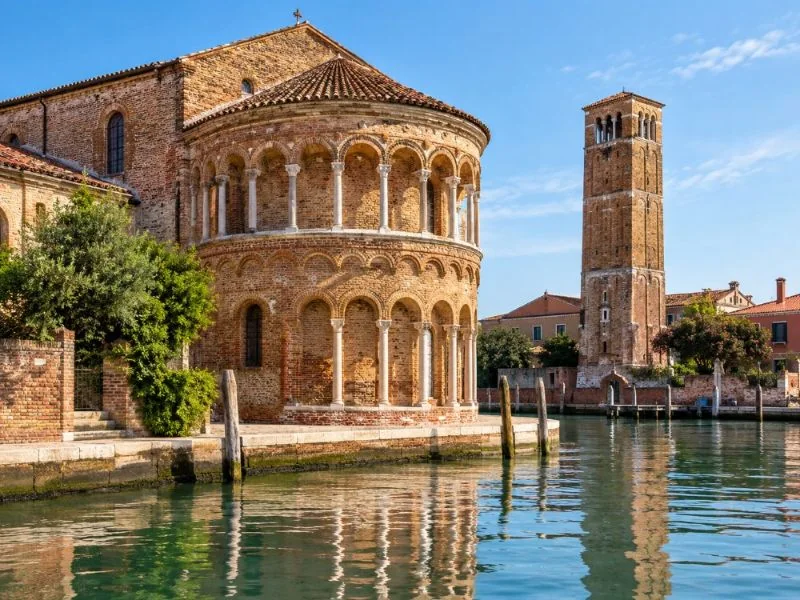
Republic. The furnaces are still here, along with the Glass Museum in Palazzo Giustinian and the Basilica dei Santi Maria e
Donato, whose mosaic floor is dated 1141.
Most tours sold as a Murano island tour are boat trips from St Mark's that pair a glassblowing demonstration with Burano, and
sometimes Torcello. That is the easy way to see both islands. But Murano is also about 10 minutes from Fondamente Nove by vaporetto,
so you can go on your own and book only what you cannot do alone: a full factory tour, a workshop at the furnace or the museum.
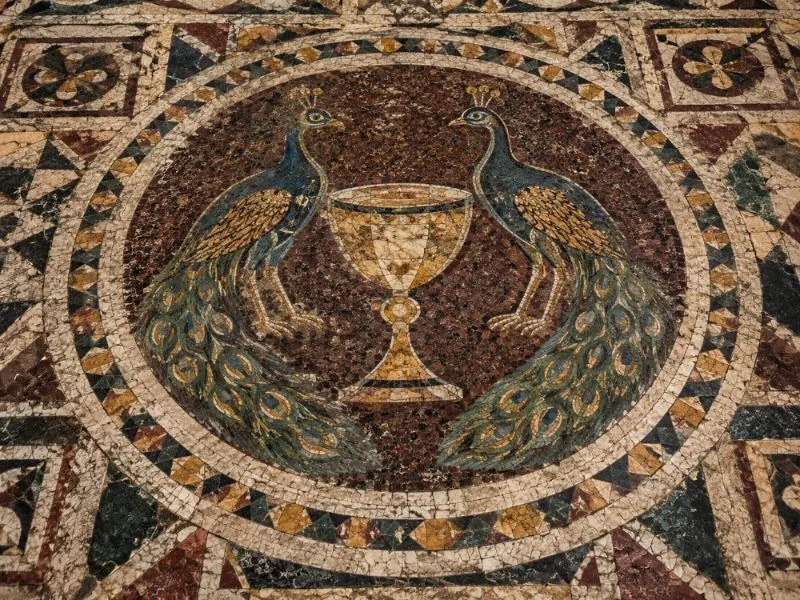
1141
The year inscribed in the mosaic floor of Santi Maria e Donato: over 500 square metres of
porphyry, marble and glass, with peacocks, eagles and griffins.
FurnacesMurrineGlass MuseumSan DonatoCanalsBurano
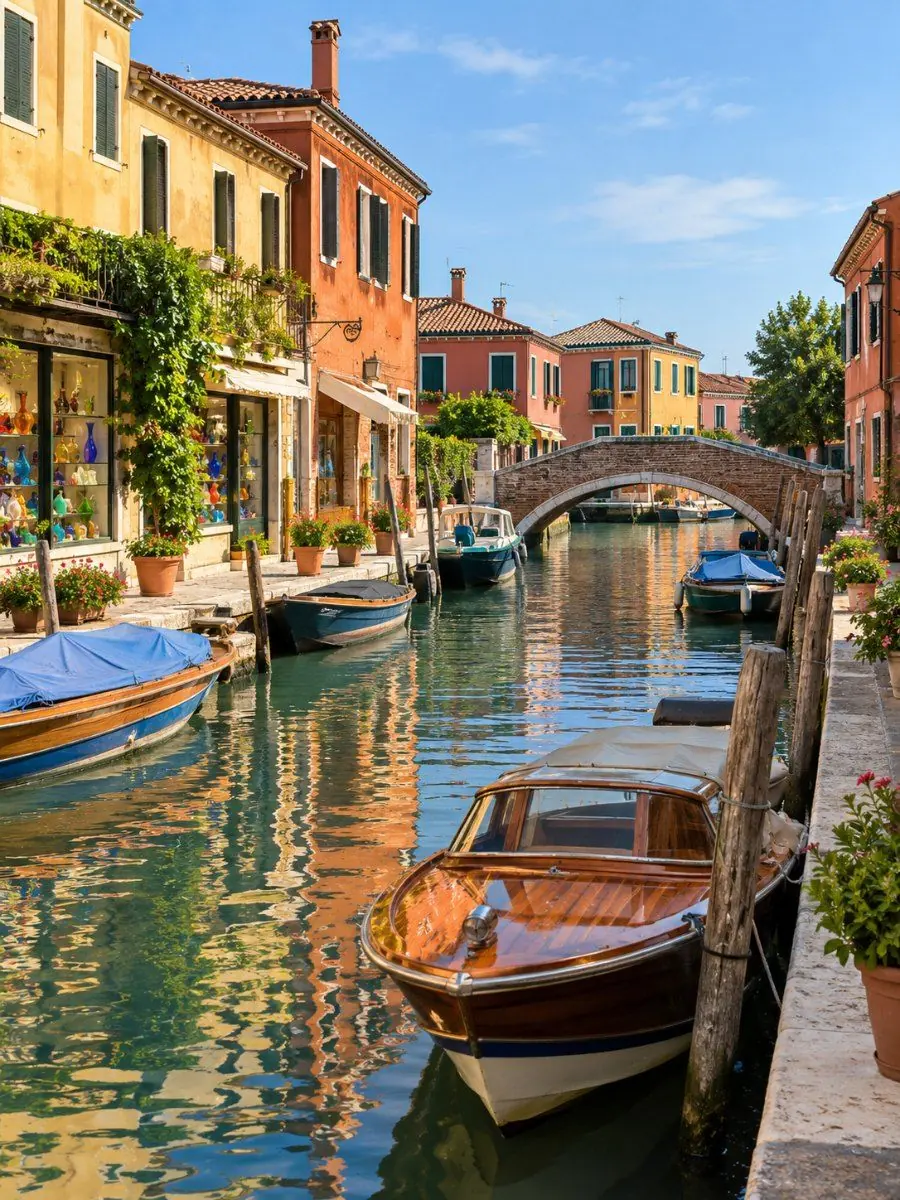
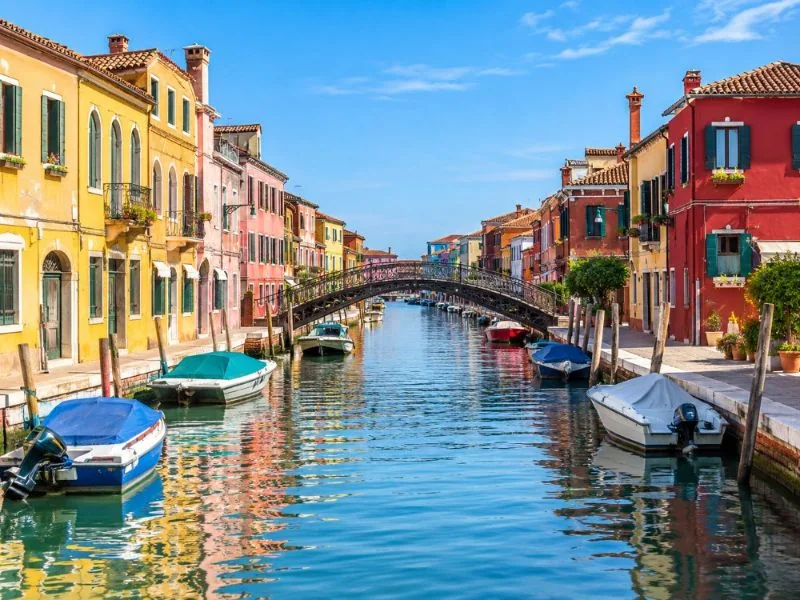
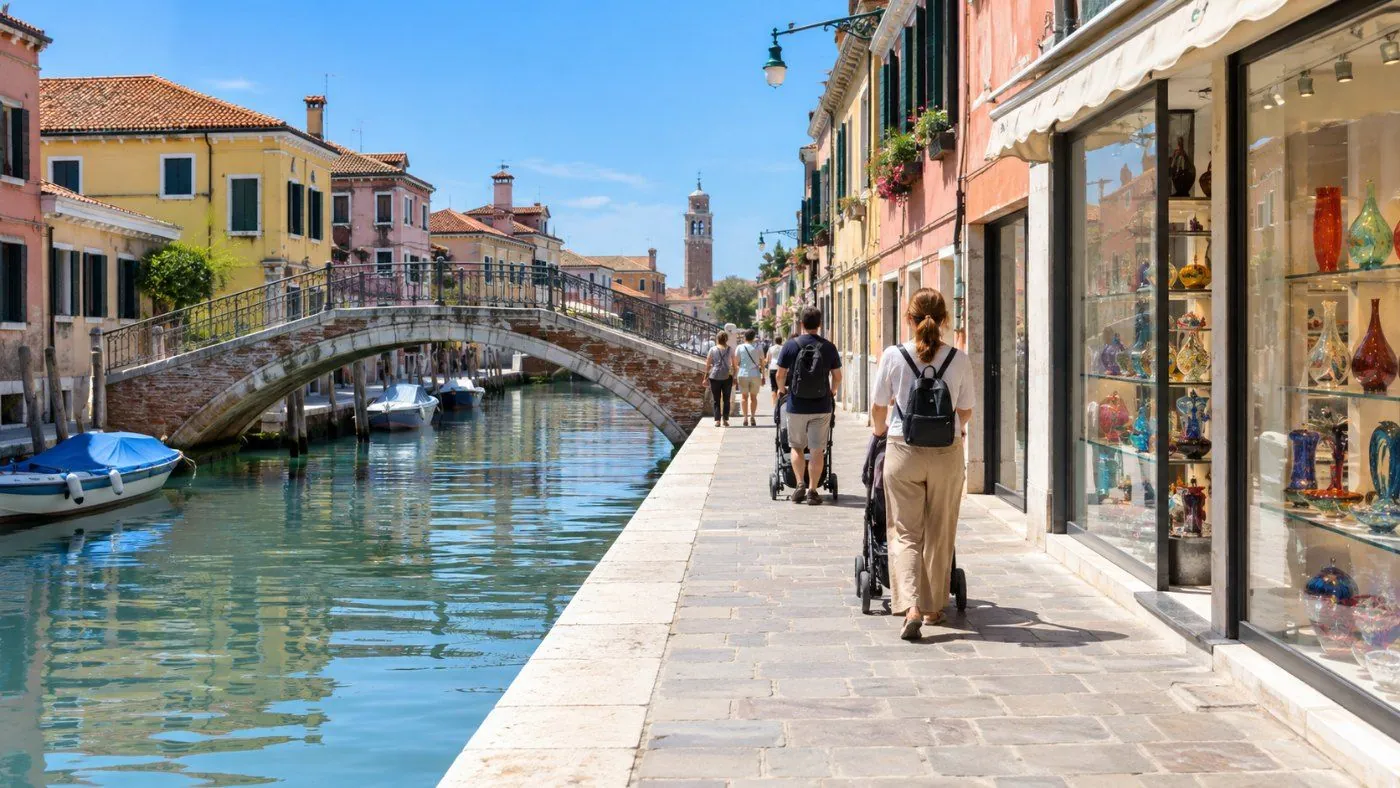
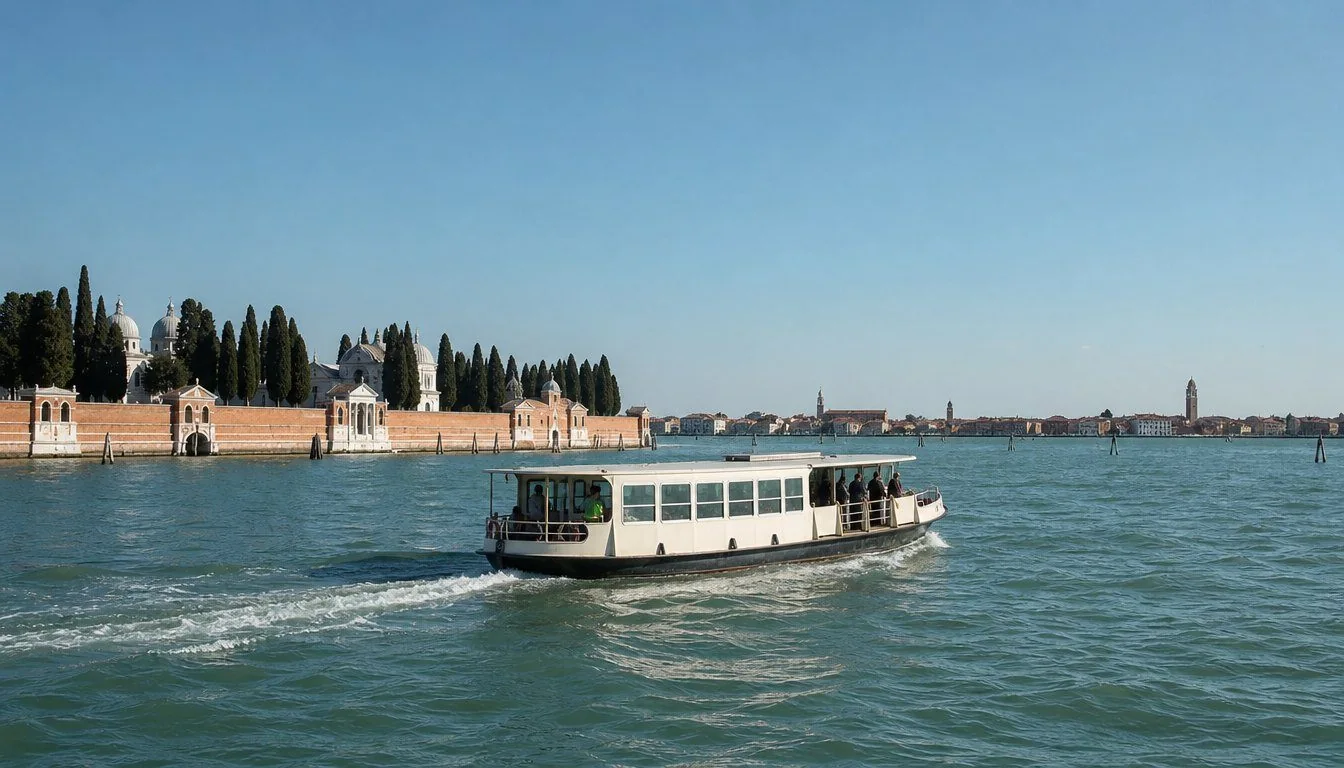
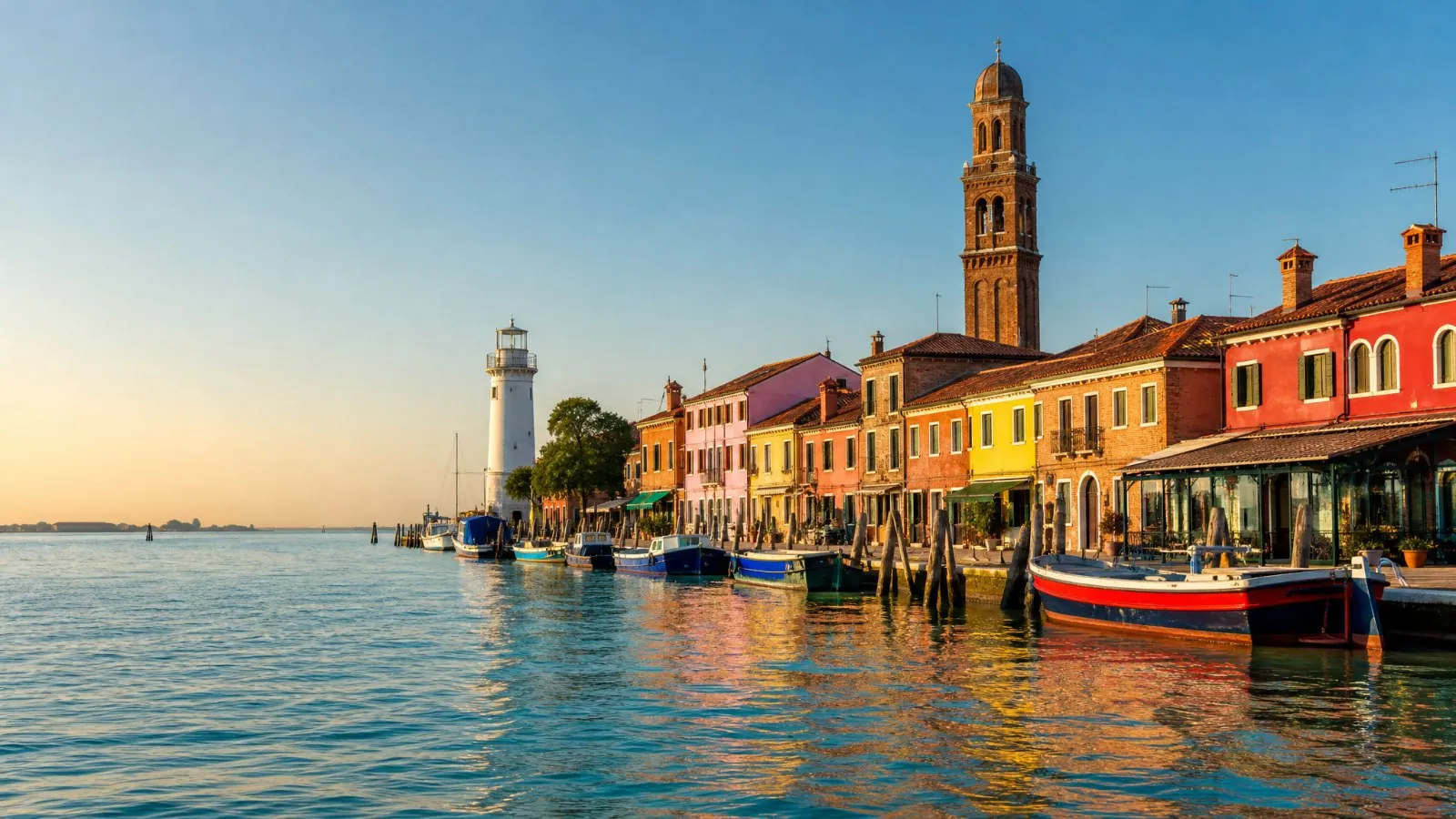
Murano's canals: furnaces, showrooms and homes along the same quays.
01
Go by vaporetto
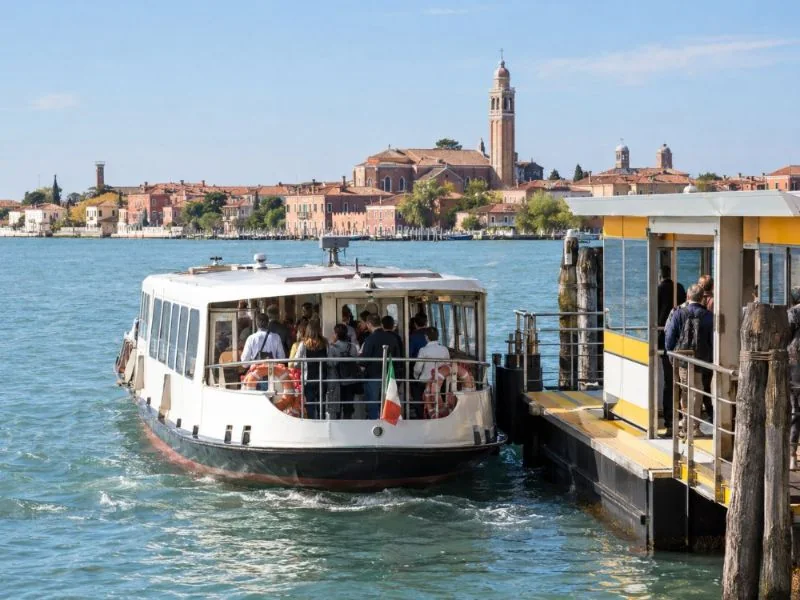
Lines 4.1 and 4.2 from Fondamente Nove reach Murano Colonna in about 10 minutes; line 3 runs direct from the railway station. You cannot walk there.
02
The free boat is a sales trip
Touts near busy squares offer free boat rides to a factory. Expect a showroom and a hard sell at the end. Choose a tour that states its terms.
03
Look for the trademark
The "Vetro Artistico Murano" mark certifies glass made on the island. Imported imitations are common, so ask who made a piece and where.
04
No access fee here
The 2026 Venice access fee covers the historic centre on set days. Murano, Burano and the other lagoon islands are exempt.
The tour
A Murano island tour in four stops
How the flagship private boat tour runs, according to its listing: a boat from Venice, a glassmaking workshop on Murano,
lace on Burano and the way back across the lagoon.
01
Board in Venice
Meet at Riva degli Schiavoni, or use the hotel pickup. A group of up to 22 boards a private boat with an English-speaking guide and headsets.
Hotel pickup
02
At the furnace
In a Murano workshop, craftsmen show how silica sand becomes coloured glass. Afterwards there is time to browse the glass gallery, with a discount.
Glassmaking demo
03
Lace on Burano
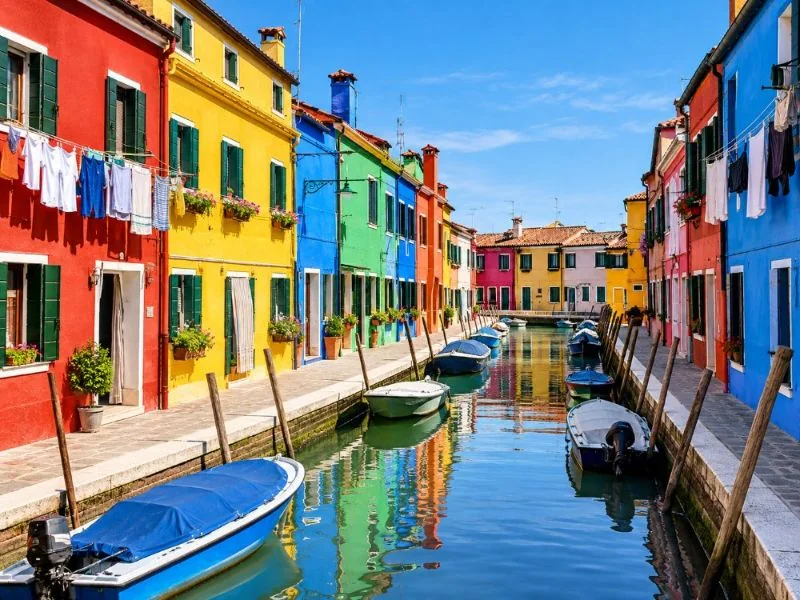
On Burano, women stitch lace by hand. Then the brightly painted houses and winding streets, with local treats along the way.
Lacemaking demo
04
Across the lagoon
The tour skips Torcello for more time on the two islands, then brings you back to Venice by boat, about five hours after the start.
Where the tours meet, who they suit, a sample day and what to bring.
Private boat tour: Riva degli Schiavoni 4182, on the waterfront east of St Mark's; hotel pickup is included.
Glass & Burano colours visit: Riva degli Schiavoni 4142; the meeting point varies by the option booked.
Murano-only private tour: San Marco, where the water taxi starts; the exact point depends on the option.
Three-island boat tour: the St Mark's area or the railway station, depending on the departure.
On Murano: the factory tour meets in its gallery near Murano Da Mula; the bead workshop is near Murano Museo and Murano Venier.
First-time visitors short on time: a boat tour that combines Murano and Burano, with the boat and the timing handled.
Glass lovers: the in-depth factory tour, the Glass Museum and a hands-on workshop, reached by vaporetto.
Families: the glassblowing workshop starts at age 12 and the bead workshop at 14; the boat tours have no age limit in their listings.
Limited mobility: the boat tours and the factory tour list wheelchair users as not suitable; check each listing before booking.
Morning: the vaporetto from Fondamente Nove to Murano Colonna, then a factory tour or a furnace demonstration.
Late morning: the Glass Museum in Palazzo Giustinian and the mosaic floor of Santi Maria e Donato nearby.
Lunch: on the island, along the main canal.
Afternoon: line 12 from Murano Faro to Burano in about 25 minutes, then back to Fondamente Nove.
Closed-toe shoes for a glassblowing workshop: the listing does not allow sandals or flip-flops.
Comfortable walking shoes: Murano is a walk of bridges and quays.
A waterbus pass or a ticket bought before boarding, if you travel on your own.
Space in your bag, or a shipping plan, for glass you buy; workshop pieces need a night to cool.
1.5 kmFrom VeniceMurano lies north of the city, across open lagoon water.
10 minBy vaporettoFrom Fondamente Nove to Murano Colonna on lines 4.1 and 4.2.
7IslandsLinked by bridges over eight channels.
1291Glass arrivesThe year the Republic moved its furnaces to Murano.
1861Glass MuseumFounded in Palazzo Giustinian, by the Murano Museo stop.
25 minOn to BuranoFrom Murano Faro on line 12, roughly every 30 minutes.
Getting there
Murano, north of Venice
Museo del Vetro, Murano
Fondamenta Giustinian 8, by the Murano Museo stop
The Glass Museum sits in Palazzo Giustinian, a short walk from the Basilica dei Santi Maria e Donato. From Venice, take the vaporetto from
Fondamente Nove, or line 3 from the railway station and Piazzale Roma, and walk along the canals from the stop.
Murano Colonna: the first stop from Venice, close to many furnaces
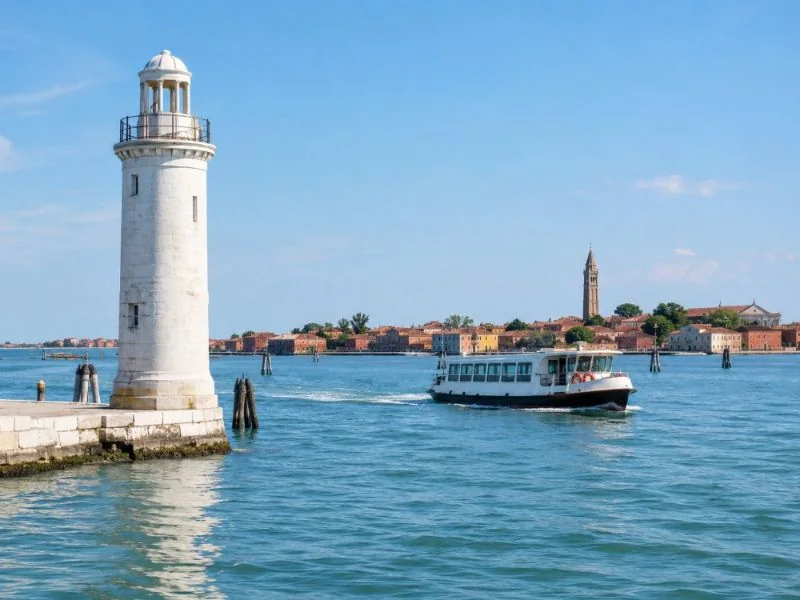
Murano Faro: the lighthouse stop, where line 12 continues to Burano
Murano Da Mula: near the meeting point of the in-depth factory tour
Our guide, Sylvia, was very knowledgeable. The glassblowing demonstration was fascinating!
★★★★★
The tour was amazing and really detailed. We were taken right into the work area. It was like being part of the action.
★★★★★
Amazing. Can't recommend more. It did not feel touristy at all.
★★★★★
Sebastian was a wonderful guide, knowledgeable, charming, and engaging.
★★★★★
A truly exceptional experience! The welcome was warm and very friendly from the moment we arrived.
★★★★★
The boat takes you to all three islands and you get about 45 minutes each. It's the perfect amount of time on each island.
★★★★★
Anna was very knowledgeable and passionate about the local areas of Murano and Burano.
★★★★★
We were in amongst the creative team, face to face with the highly skilled workers as they created remarkable, large-scale artworks.
★★★★★
Memorable experience! Our instructor Emilia was fantastic, she was very patient with us.
On your own
The lagoon by water bus
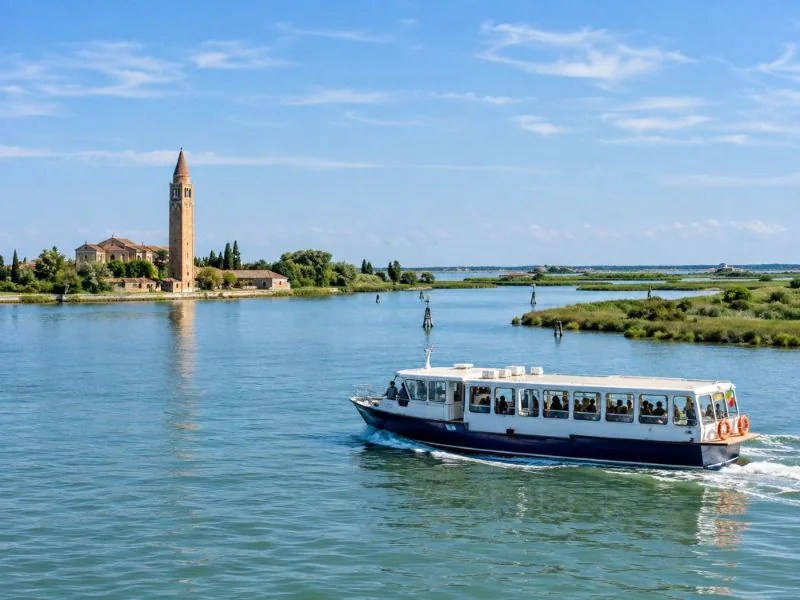
Murano is a public ferry ride from Venice. With a pass you can go out in the morning, add Burano or Torcello and come back when
you are ready.
Venice Waterbus Pass, 24 Hours to 7 Days
Venezia Unica ticket machines · 24 hours to 7 days · GetYourGuide
Murano on your own terms: the pass covers the vaporetto to Murano, Burano, Torcello and the Lido, plus the mainland buses. Convert the voucher at a Venezia Unica ticket machine with your booking code before you board.
Murano & BuranoTorcello & LidoMainland buses
Validity24 hours to 7 daysper the listingBook this →
Guide
Murano, explained
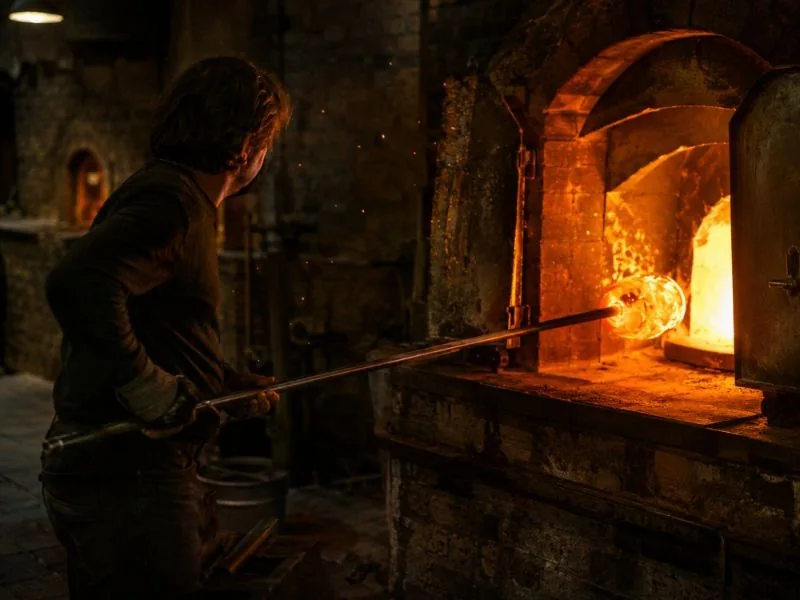
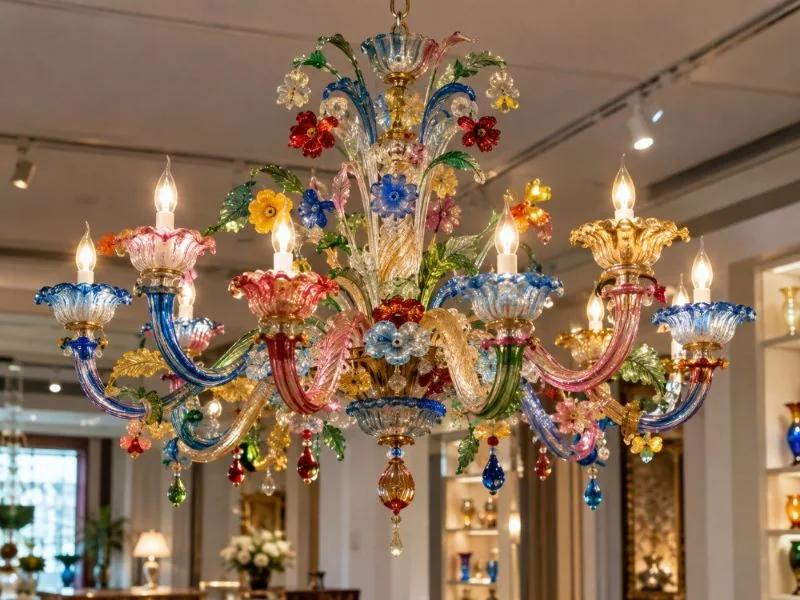
Search for a Murano island tour and the pictures are all fire and colour: a glowing gather of glass on a blowpipe, a chandelier,
a canal of painted houses. All of it is real, but the houses are usually on Burano, and the tour often gives Murano less time than the
pictures suggest. Here is how to read the island, and the tours.
Why the glass is here
A law of 8 November 1291 confined most of Venice's glassmaking to Murano. The reasons were fire, in a city of mostly wooden buildings, and
secrecy: the Republic wanted to keep the know-how away from competitors. Glassmakers became privileged citizens, allowed to wear swords and
to marry into wealthy Venetian families, but they were forbidden to leave the Republic. In the 15th century Angelo Barovier created
cristallo, a nearly transparent glass, and Murano became Europe's centre of luxury glass. Its techniques still carry Italian names:
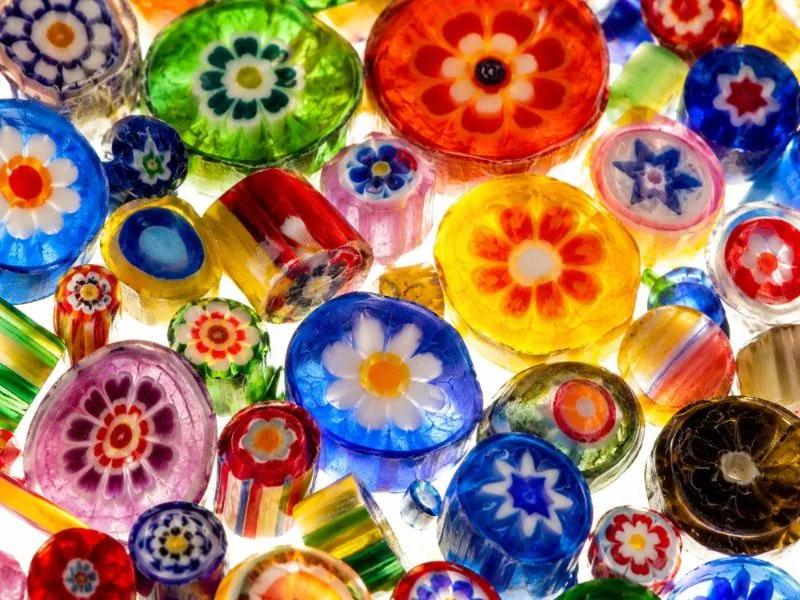
murrine and millefiori (slices of coloured cane), lattimo (milk-white glass), filigrana (fine threads of white or
colour), aventurine (glass flecked with copper) and sommerso (layers of colour cased in clear glass).
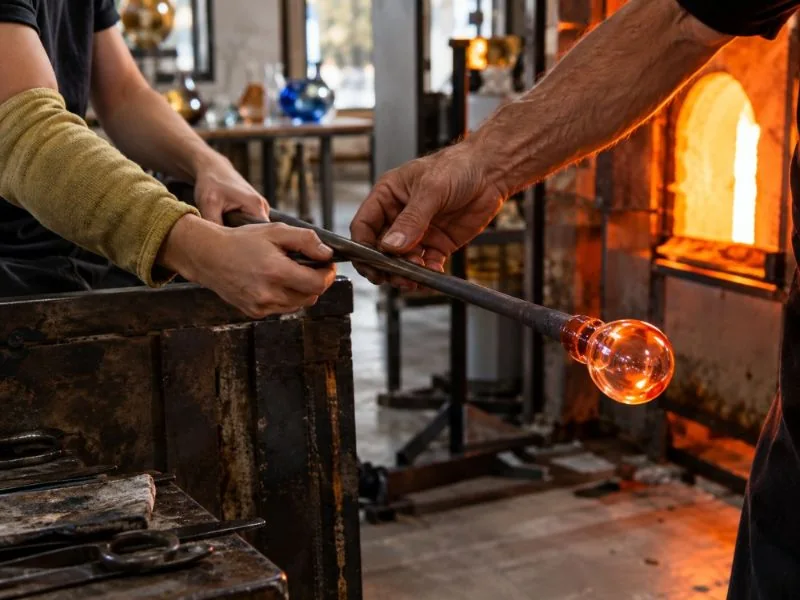
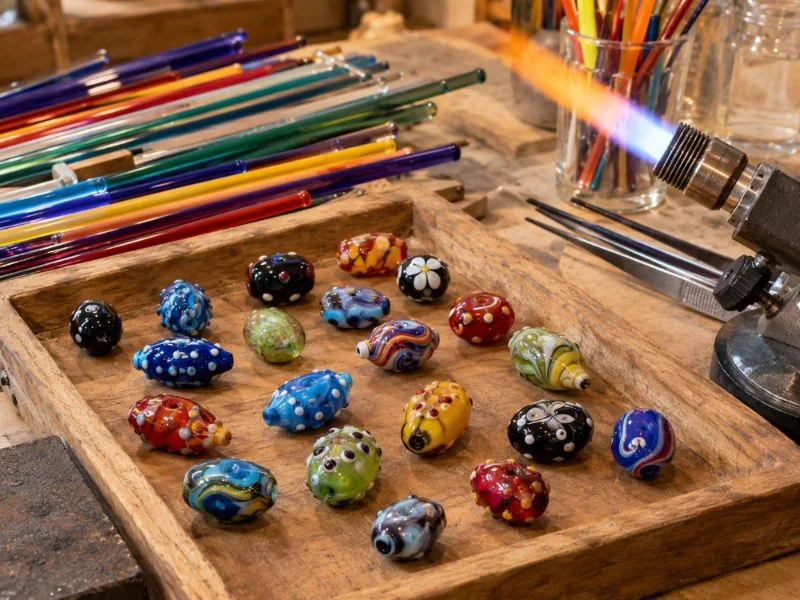
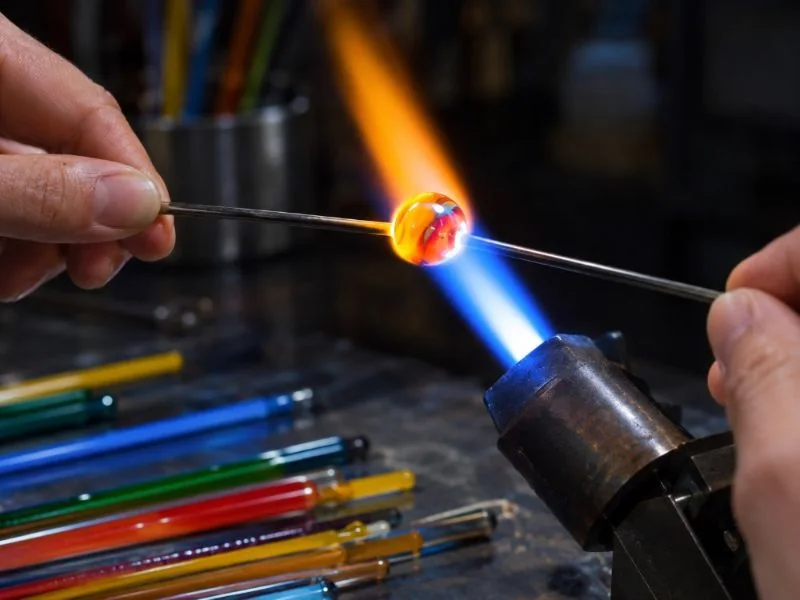
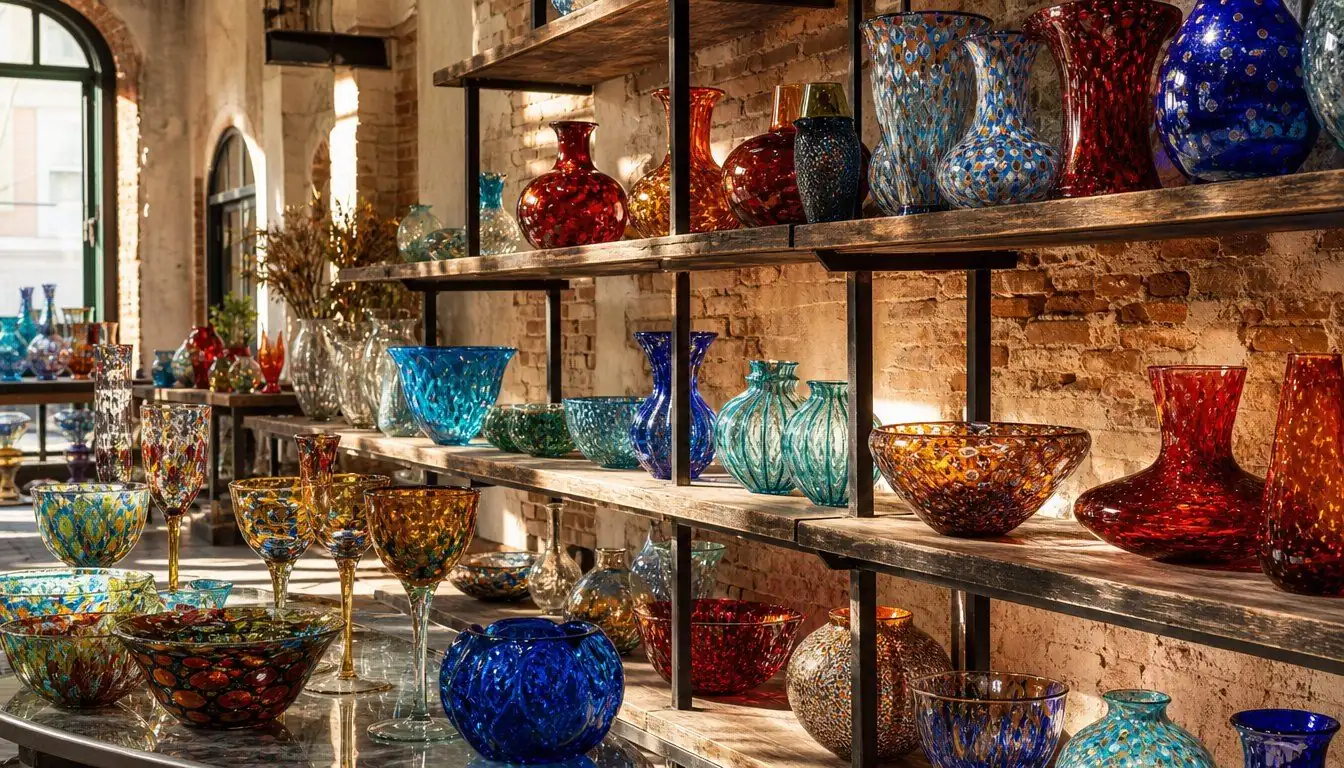
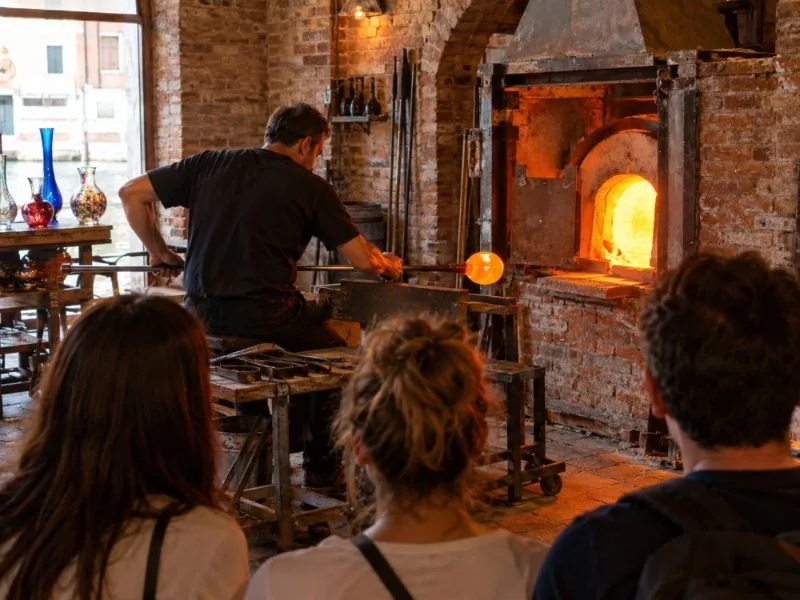
At the furnace: the gather of molten glass before it is blown and shaped.
What a factory visit really is
Most boat tours include a glassblowing demonstration in a factory with a showroom attached. It is a real craft shown by real masters, and
the showroom afterwards is part of the business. That is fine if you know it. The touts who offer free boat rides to a factory are a
different matter: the ride costs nothing, and the sales pressure is the price. If you want more than a demonstration, the in-depth factory
tour takes up to 8 people through the batch room, the hot shop and the cold shop, and its listing states there is no obligation to buy.
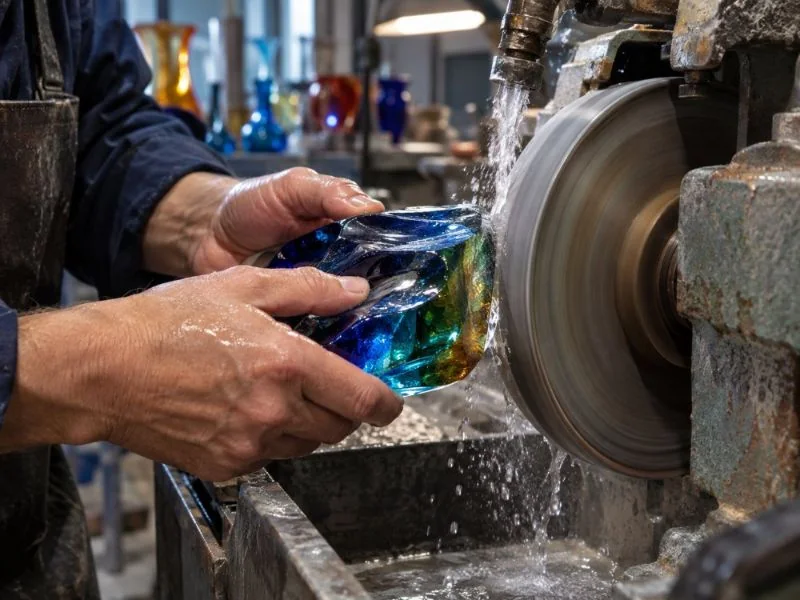
To make something yourself, the beginners' workshop lets you shape hot glass beside a master, and the bead workshop teaches lampworking at a torch.
Buying glass: ask who made a piece and where, and look for the "Vetro Artistico Murano" trademark, which certifies
glass made on the island under a 1994 Veneto regional law. Imported imitations are common in souvenir shops, on Murano too.
Beyond the furnaces
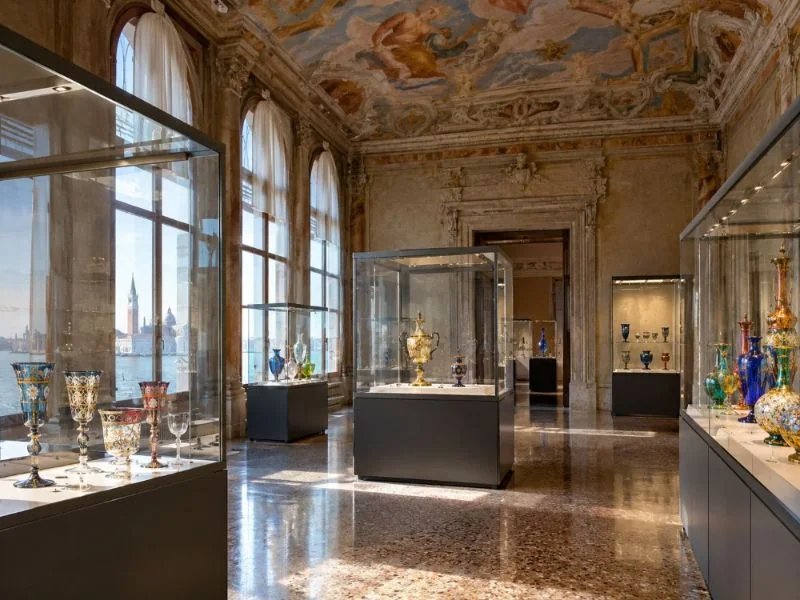
Murano is seven islands linked by bridges, and it rewards a slow walk. The Glass Museum in Palazzo Giustinian, founded in 1861, holds
one of the most complete glass collections in the world, from antiquity to the 20th century. A few minutes away, the Basilica dei Santi
Maria e Donato was rebuilt between 1125 and 1141. Its mosaic floor, dated September 1141, covers over 500 square metres with peacocks,
eagles, griffins and roosters carrying a fox, and behind the altar hang large bones said to belong to the dragon that Saint Donatus slew.
The floor of Santi Maria e Donato, inscribed September 1141.
Which tour, for which visitor
For a first visit with little time, the private boat tour combines a glassmaking demonstration on Murano with lace on Burano, with hotel
pickup and a group of up to 22. The small-group colours visit adds a guided walk on Murano. The Murano-only private tour goes by water taxi
and includes the Church of San Donato. The three-island half day reaches Torcello too, but its listing gives about 50 minutes per island.
And if you would rather go on your own, the vaporetto from Fondamente Nove takes about 10 minutes, and the factory tour, the workshops and
the museum can be booked on their own. The Murano tours guide puts them side by side.
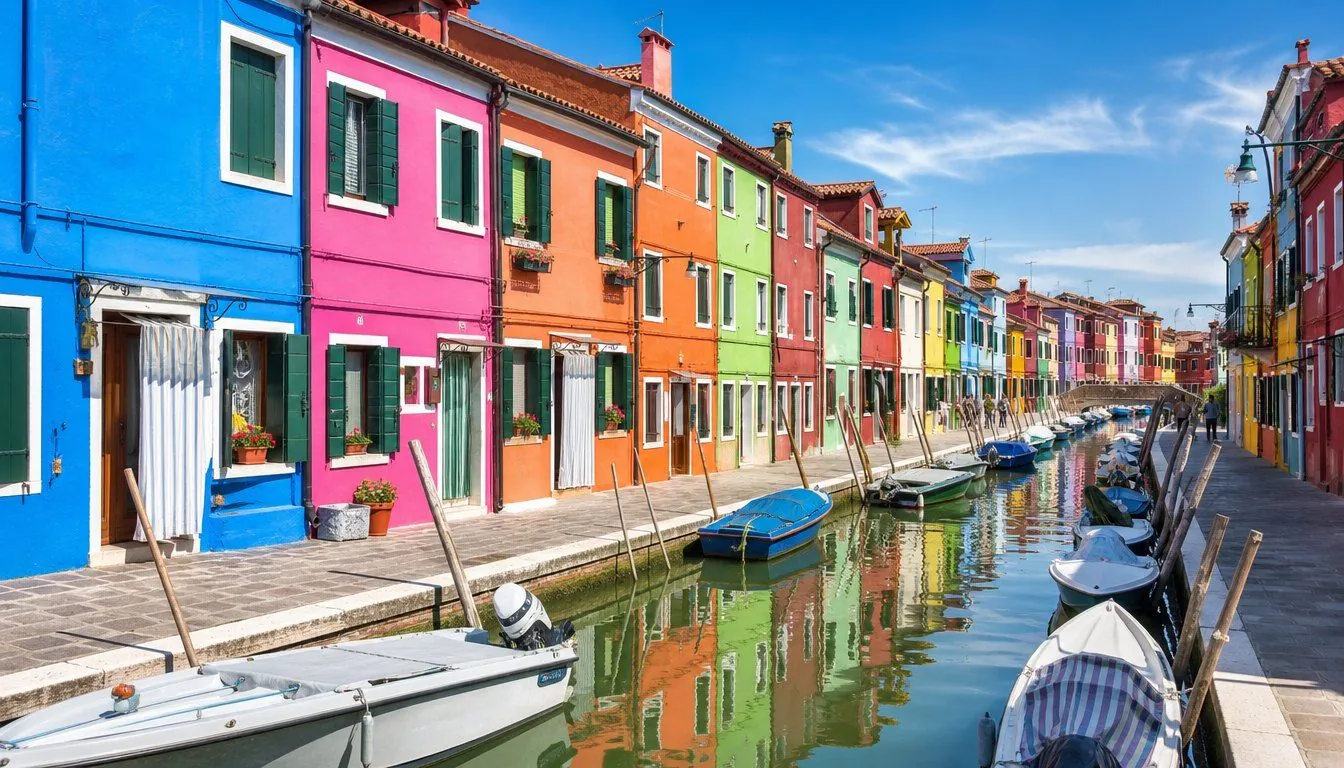
Murano's main canal, a short walk from the Glass Museum.
Straight answers to what people ask most about visiting Murano.
Is Murano island worth visiting?
Yes for most visitors with half a day to spare: you can watch glass being blown at a furnace, see the Glass Museum and the 12th-century mosaic floor of Santi Maria e Donato, and walk quieter canals than in central Venice. Some shops sell mass-produced souvenirs, so choose where you buy. Is Murano worth visiting covers what not to miss.
Can you walk to Murano from Venice?
No. Murano is a group of islands across open lagoon water, about 1.5 km north of Venice. The vaporetto (water bus) from Fondamente Nove takes about 10 minutes, and line 3 runs direct from the railway station and Piazzale Roma in about 17 minutes.
How far is Murano from Venice by boat?
About 9 to 10 minutes from Fondamente Nove on lines 4.1, 4.2, 12 or 13, about 17 minutes from the railway station on line 3, and just over 40 minutes from San Zaccaria near St Mark's on line 4.2. How to get to Murano has every route.
What is the best Murano glass tour?
It depends on what you want to see. For Murano and Burano done for you, the private boat tour includes a glassmaking demonstration and hotel pickup. To see a whole factory up close, the 50-minute in-depth factory tour takes up to 8 people through the batch room, hot shop and cold shop. To make glass yourself, there is a beginners' glassblowing workshop and a bead-making class.
Is it better to visit Murano or Burano?
They are different trips. Murano is the glass island, close to Venice, with furnaces, the Glass Museum and a medieval basilica. Burano, about 25 minutes further on line 12, is known for lace and brightly painted houses. Many visitors do both in one day. Murano vs Burano compares them.
Can you do Murano and Burano in one day?
Yes. A half-day boat tour covers both, and on your own line 12 runs from Fondamente Nove to Murano Faro and on to Burano roughly every 30 minutes. Visit Murano first, since it is on the way out.
How long should you spend on Murano?
Two to four hours is enough for a furnace demonstration, the Glass Museum, the basilica and a walk along the canals. On combined boat tours the time is shorter: the three-island tour on this page gives about 50 minutes per island, its two-island option about 1 hour 30 minutes.
Is the free boat to a Murano glass factory really free?
The ride costs nothing, but such offers from touts in busy areas usually lead to a factory showroom with strong sales pressure. If you want a factory visit without that, book one that states its terms, or take the vaporetto and visit on your own.
How can you tell real Murano glass?
Ask who made the piece and where, and look for the "Vetro Artistico Murano" trademark, which certifies glass made on the island under a 1994 regional law. Imported imitations are common in souvenir shops. The Murano glass guide explains more.
Which vaporetto stop is best for Murano?
Murano Colonna is the first stop from Venice and close to many furnaces; Murano Museo is by the Glass Museum; Murano Faro, at the lighthouse, is where line 12 continues to Burano. Each tour on this page states its own meeting point.
Do you pay the Venice access fee to visit Murano?
No. In 2026 the access fee applies to the historic centre of Venice on designated days between 3 April and 26 July, from 8:30 to 16:00. The lagoon islands, Murano and Burano included, are exempt, as are overnight guests and children under 14.
When is the Murano Glass Museum open?
From 1 April to 31 October 10:00 to 18:00 and from 1 November to 31 March 10:00 to 17:00, with last admission an hour before closing. From 1 May to 26 September 2026 it stays open until 20:00 on Fridays and Saturdays.
Ready to book
Find the Murano tour that fits your day.
Boat tours with Burano, a Murano-only tour, factory visits and workshops; each listing states its own cancellation terms.

 Small group, guided walk
4.5 to 5.5 hoursSmall group, 4 languagesFree cancellation
Small group, guided walk
4.5 to 5.5 hoursSmall group, 4 languagesFree cancellation