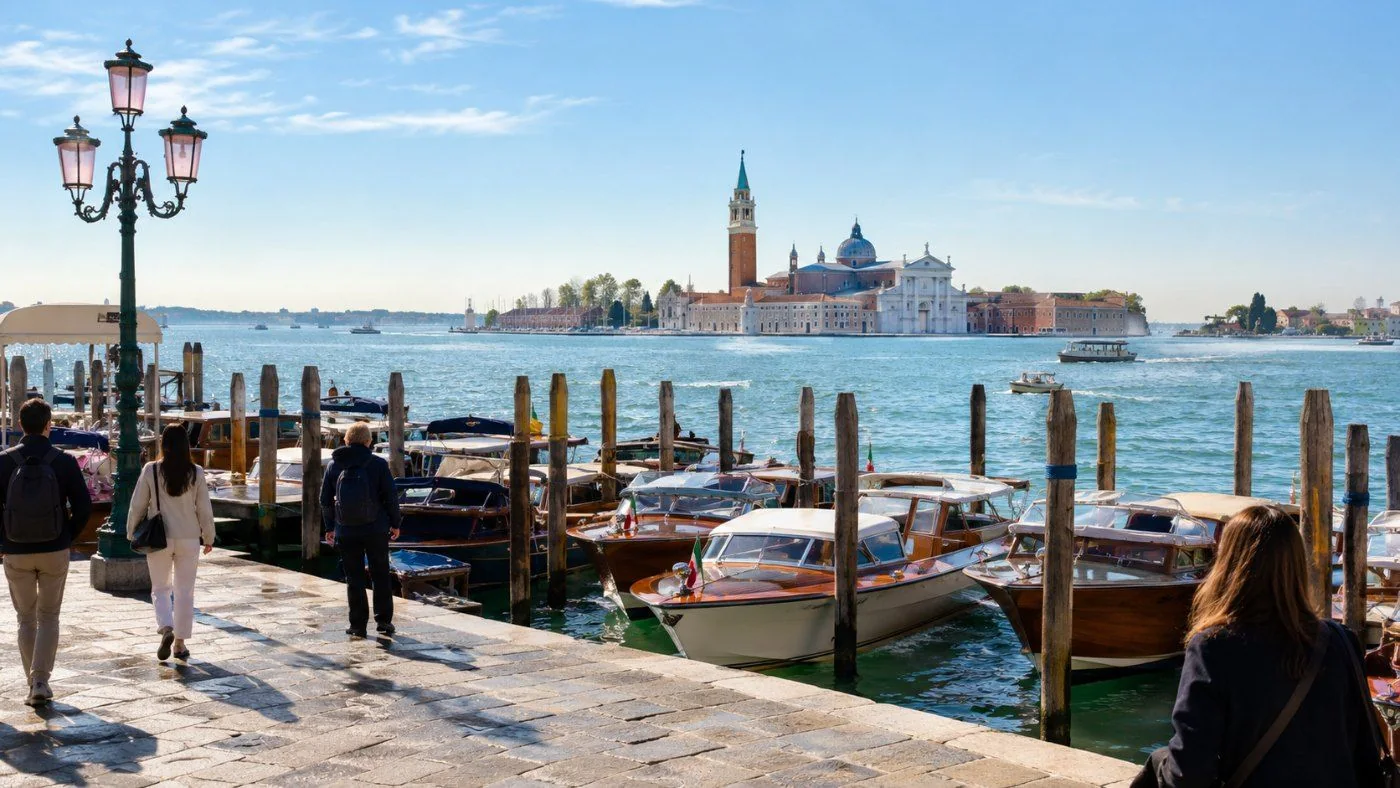
Booking choice: The Murano-only private tour by water taxi. Book this Compare options below
Murano sits about 1.5 km north of Venice. It is made up of seven islands linked by bridges over eight channels, and just over 5,000 people lived there in 2004. Since a law of 1291 moved most of Venice's glassmaking to the island, the name Murano has stood for glass. Today visitors come to watch glass masters at work, to see historic pieces in the Glass Museum and to walk along canals that feel calmer than the centre of Venice.
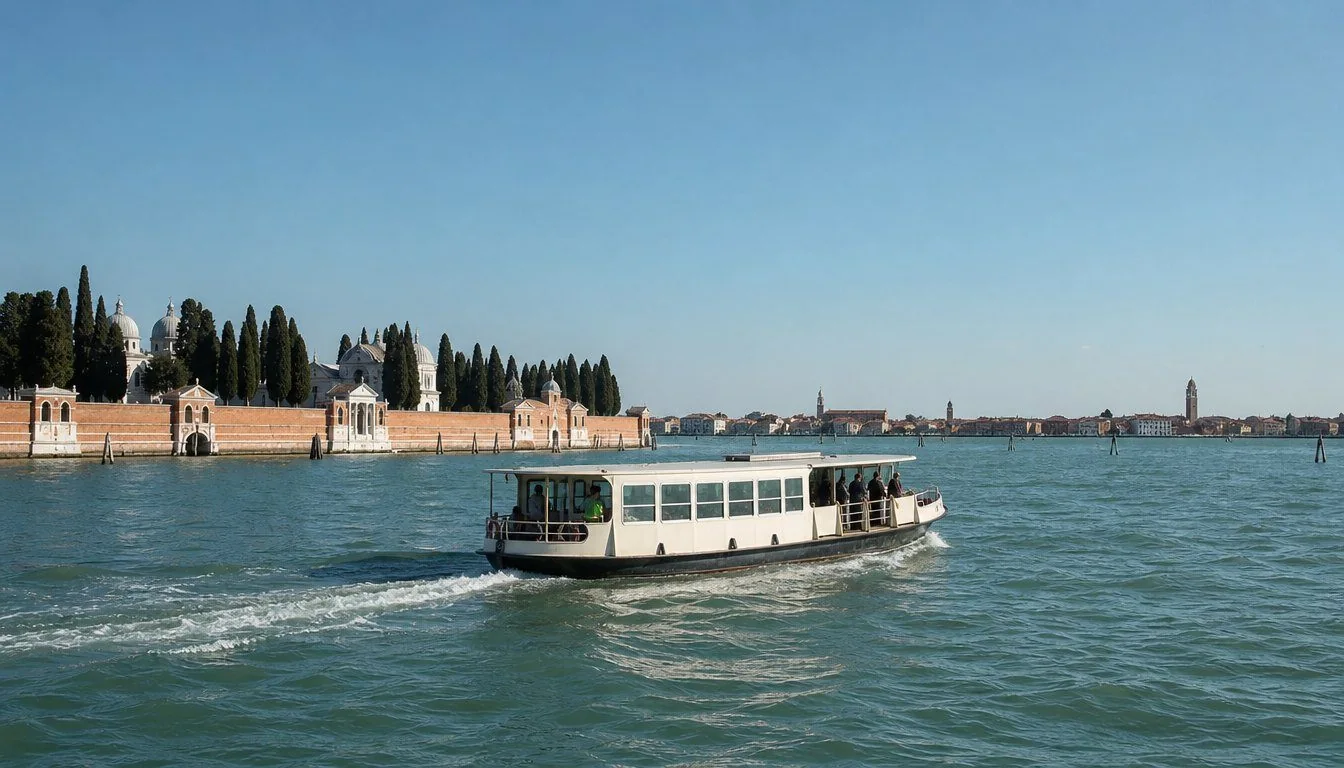
Many visitors reach Murano on a boat tour that combines it with Burano. Others take the public vaporetto from Fondamente Nove, which takes about 10 minutes, and plan their own visit. Both ways work. This guide helps you decide whether Murano deserves a place in your plans and what to do once you are there. To compare the bookable options, read the guide to Murano tours. For the boats and stops, read how to get to Murano.
Quick answer
Murano is worth visiting if you are interested in glass, craft or history, or if you want a quieter side of the lagoon. The main sights are a glassblowing demonstration, the Glass Museum, the Basilica dei Santi Maria e Donato with its 1141 mosaic floor, and the canal walks. Half a day is enough for many visitors. A full day lets you add Burano.
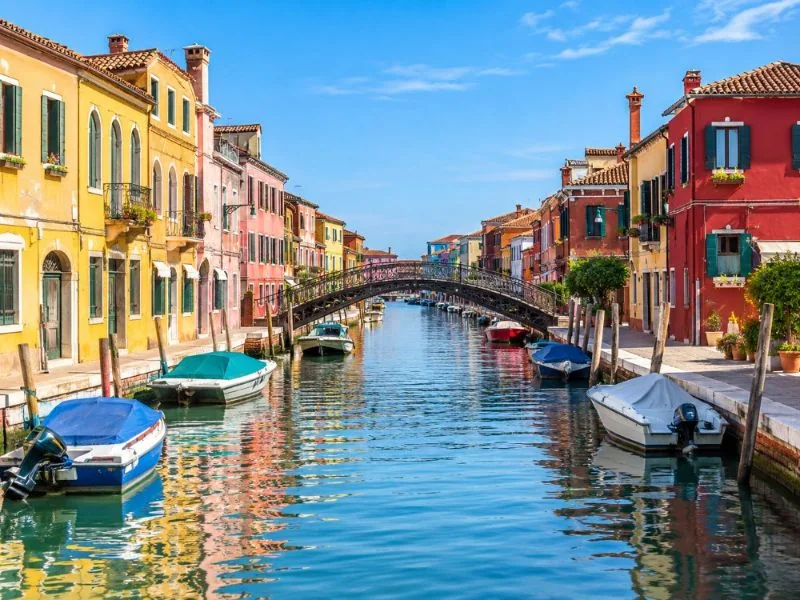
Is Murano island worth visiting?
For most visitors with an interest in glass, craft or history, yes. Murano offers something the centre of Venice does not: working furnaces, a major glass collection and a quieter island atmosphere.
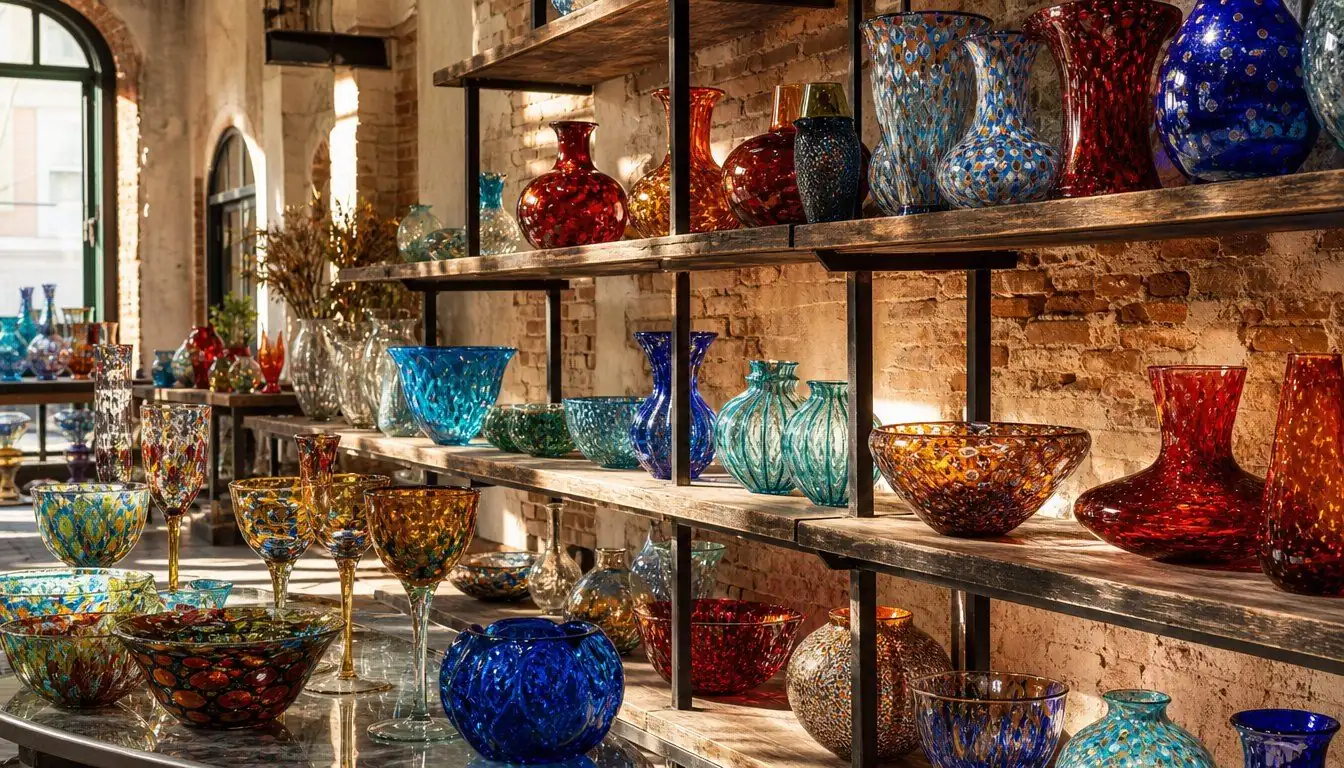
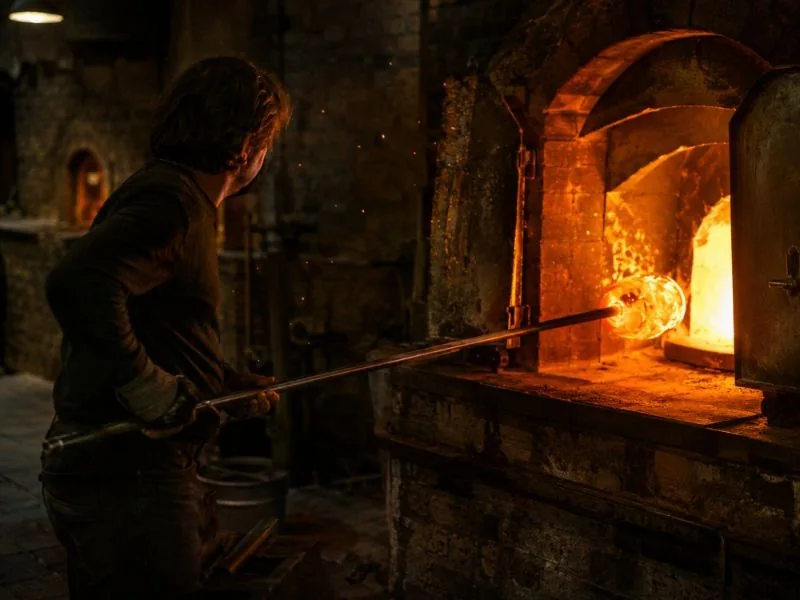
Murano is not a museum island. Glass is still made here, and in some factories visitors can watch the glass masters gather molten glass on a blowpipe and shape it in a few minutes. That live craft is the main reason people come. The Glass Museum adds the long history, from antiquity to the 20th century, and the Basilica dei Santi Maria e Donato is one of the oldest churches in the lagoon.
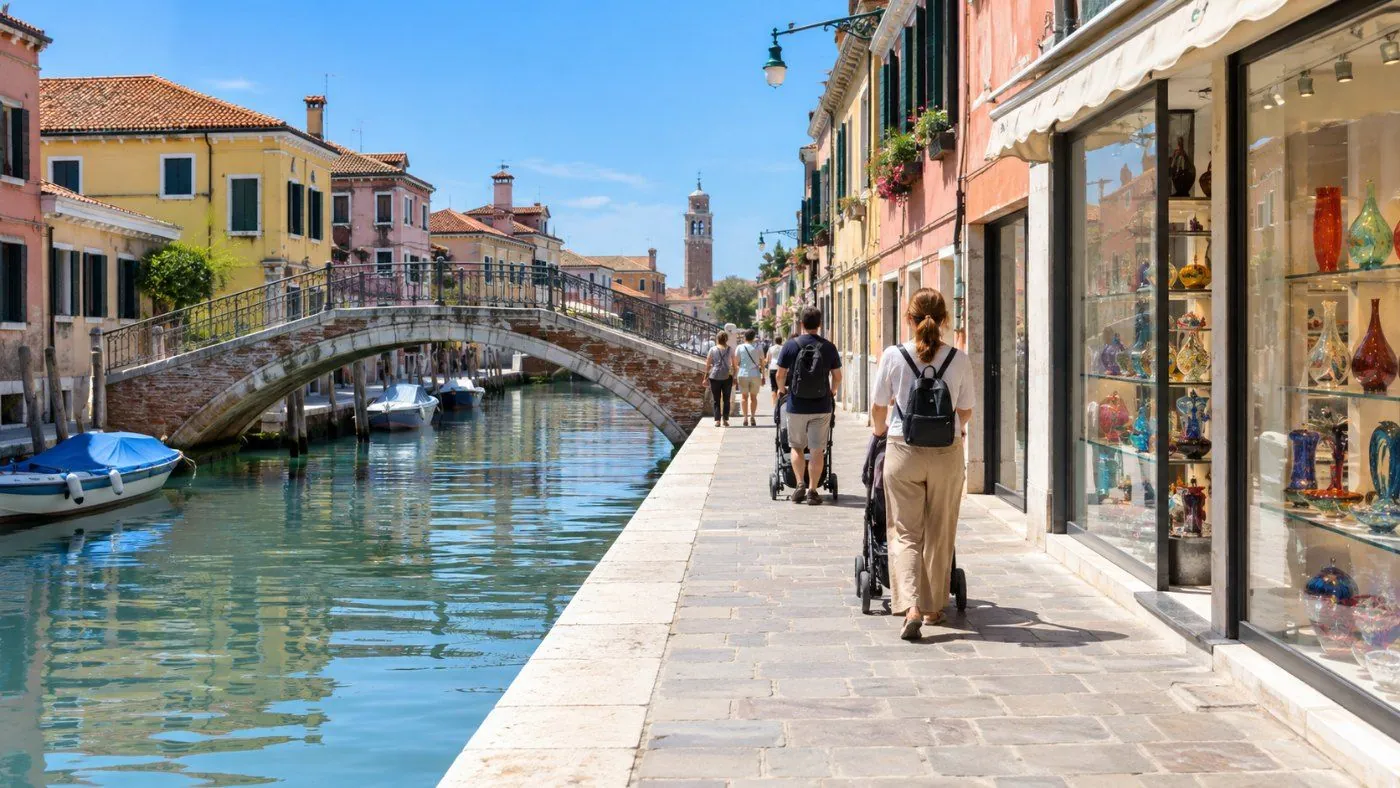
The island also has a gentler pace than St Mark's. Its canals are wide, its streets are short and easy to walk, and you can sit by the water with a view of boats coming and going. For many travellers, Murano is the first island they visit outside the historic centre, and it is a good introduction to lagoon life.
Who may want to skip Murano?
Visitors with very little time in Venice, or with no interest in glass, may prefer to spend those hours elsewhere. Some shops on the island also sell mass-produced souvenirs, which can disappoint.
Murano is honest about what it is: an island built around one craft. If glass does not interest you, the island may feel small, and a few hours in the centre of Venice could suit you better. If you have a single day in Venice, think carefully before giving half of it to the islands. The one-day plan for Venice and Murano shows how to fit both.
It is also worth knowing that not every piece for sale on Murano was made on Murano. Counterfeit imports are a long-standing problem for the island's makers. Some shops sell mass-produced items alongside genuine handmade work. The 'Vetro Artistico Murano' trademark exists to certify glass made on the island. The Murano glass guide explains how to tell the difference.
What not to miss in Murano
Do not miss a glassblowing demonstration, the Glass Museum in Palazzo Giustinian, the mosaic floor and the 'dragon bones' in Santi Maria e Donato, and a slow walk along the canals.
- A furnace demonstration: most tours include one, and some factories offer longer visits. The in-depth factory tour takes small groups into the batch room, the hot shop and the cold shop.
- The Museo del Vetro: the Glass Museum holds one of the most complete glass collections in the world, in a Gothic palace by the Museo stop.
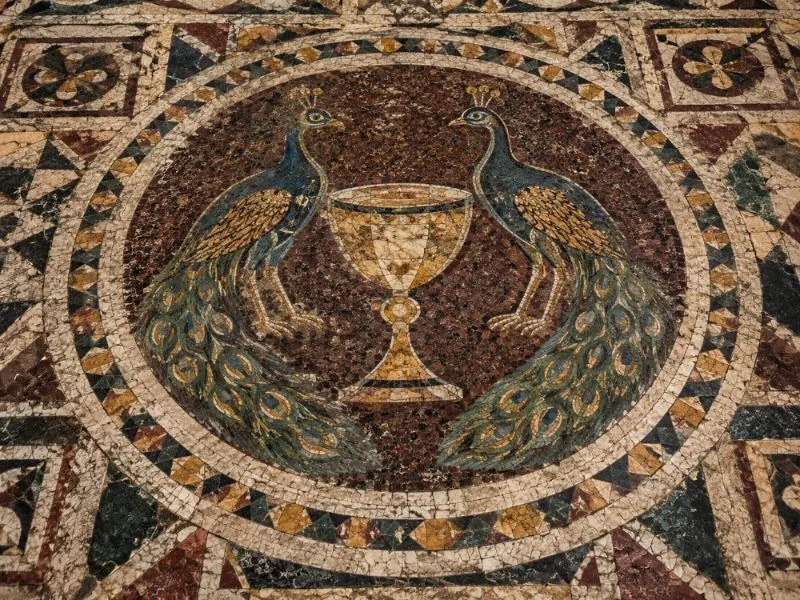
- Santi Maria e Donato: a Veneto-Byzantine church with a mosaic floor inscribed in September 1141.
- The canals and fondamente: the waterside walkways are pleasant for an unhurried stroll between workshops and galleries.
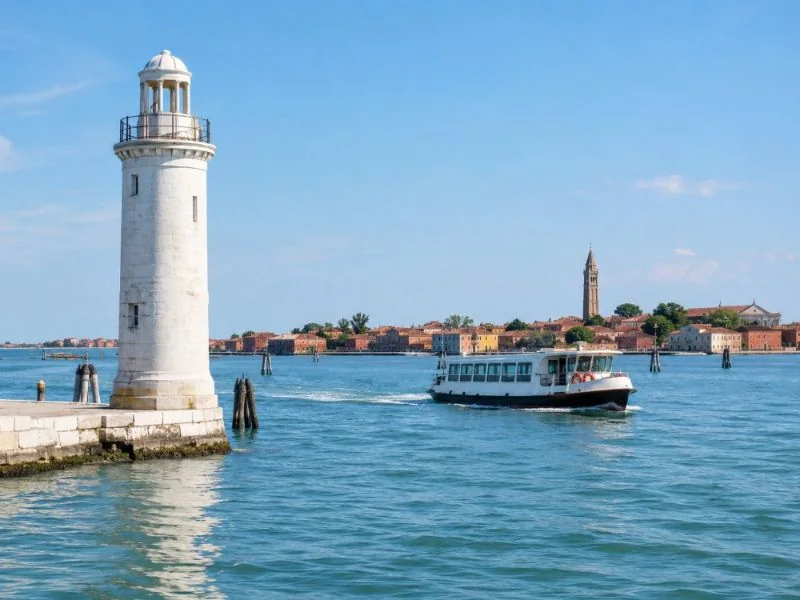
- The lighthouse: the white Murano lighthouse stands by the Faro vaporetto stop, where line 12 continues to Burano.
A private guide, a water taxi from San Marco, a glass factory visit with a demonstration and the Church of San Donato in 3-4 hours.
Book thisWhat are the main attractions in Murano?
The main attractions are the glass furnaces and galleries, the Glass Museum, the Basilica dei Santi Maria e Donato and the lighthouse. The table below sums them up.
Murano's sights are close together, and most visitors walk between them in a few minutes. The table gives a quick overview of each one, where it is and what to expect.
| Attraction | What you see | Nearest vaporetto stop |
|---|---|---|
| Glass furnaces and galleries | Glass masters shaping molten glass, then finished pieces on display | Colonna and nearby stops |
| Museo del Vetro | Glass from antiquity to the 20th century, including Barovier & Toso pieces and Carlo Scarpa designs | Museo |
| Santi Maria e Donato | A 12th century church with a mosaic floor of 1141 and the 'dragon bones' | Museo |
| Murano lighthouse | A white lighthouse on the lagoon shore | Faro |
| Canal walks | Waterside walkways, bridges, workshops and cafes | Colonna or Venier |
What is special about Santi Maria e Donato?
The church was rebuilt between 1125 and 1141 in Veneto-Byzantine style. It has a mosaic floor dated September 1141 and four large rib bones behind the altar, said to come from a dragon slain by Saint Donatus.
The relics of Saint Donatus were brought to Murano in 1125 by Doge Domenico Michiel, and the church was rebuilt in the years that followed. The highlight is the floor. It covers more than 500 m2 and is made of porphyry, serpentine, precious stones and glass paste. Look for peacocks, eagles, griffins and a scene of roosters carrying a fox. The floor was damaged by the November 2019 flooding and has been repaired.
Behind the altar hang four large rib bones, each more than 1 m long. Tradition says they belong to the dragon that Saint Donatus killed. They may in fact come from large Pleistocene mammals. The Murano private guided tour lists a visit to the church as part of its route.
Is the Murano Glass Museum worth it?
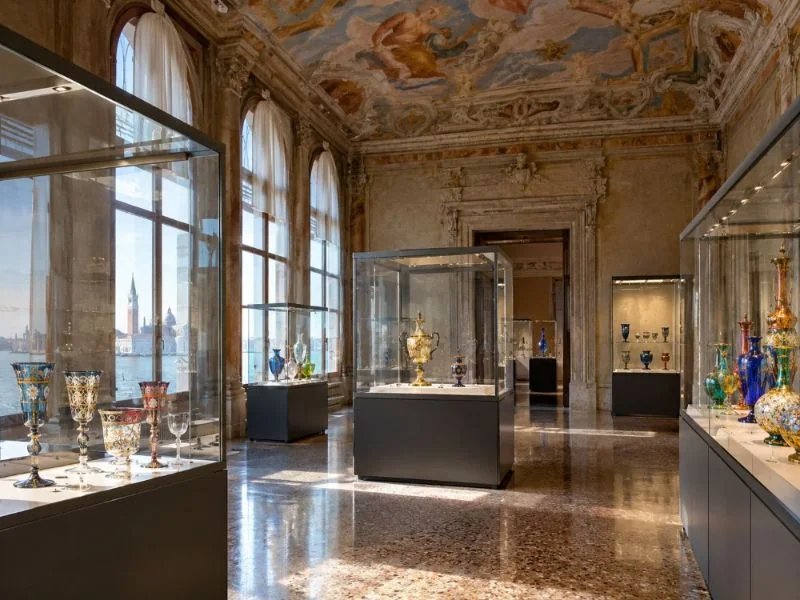
For anyone interested in how Venetian glass developed, yes. The museum, founded in 1861, traces the craft from antiquity to the 20th century in Palazzo Giustinian.
The Museo del Vetro is at Fondamenta Giustinian 8, in a Gothic palace that was the residence of Bishop Marco Giustinian from 1659. The collection is one of the most complete in the world. It includes pieces by Barovier & Toso and designs by Carlo Scarpa from the late 1930s. A visit puts the demonstrations you see in the furnaces into context, because you can see how techniques such as cristallo, lattimo and murrine changed over the centuries.
From 1 November to 31 March the museum is open 10:00-17:00, and from 1 April to 31 October 10:00-18:00, with last admission one hour before closing. In 2026 it stays open until 20:00 on Fridays and Saturdays from 1 May to 26 September.
A 1-day entrance ticket to the Museo del Vetro, with an optional daily public transport ticket for the vaporetto ride.
Book thisHow long should you spend on Murano?
Half a day is enough for many visitors: a furnace demonstration, the museum or the church, and a walk. A full day lets you continue to Burano on line 12.
Two to three hours on Murano is enough to see a demonstration and walk the main canal. Four hours gives time for the Glass Museum and Santi Maria e Donato as well. If you add a workshop, such as the two-hour glassblowing workshop for beginners, plan a longer visit.
Boat tours give Murano less time. One listing gives about 50 minutes per island on its three-island option and about 1 hour 30 minutes per island on its two-island option. If you want to see Murano properly, going on your own by vaporetto or choosing a Murano-only tour gives you more control over your time.
Is Murano quieter in the evening?
Yes, in general. After the day visitors leave, Murano becomes calmer, which makes a late afternoon or evening walk pleasant.
Most tours visit Murano in the morning or around midday, so the island is often busiest in those hours. Later in the day, the canals are quieter and the light on the water is softer. If you can, plan to stay until late afternoon. In 2026 the Glass Museum is also open until 20:00 on Fridays and Saturdays from 1 May to 26 September, which makes an evening visit possible.
Remember that Murano depends on the vaporetto to reach the centre of Venice. Check the last convenient departure back to Fondamente Nove before you settle in for dinner.
A private guide and water taxi from San Marco, so you see the factory, the island's history and San Donato at your own pace.
Book thisFrequently asked questions
Is Murano worth it if I have only one day in Venice?
It can be, if glass interests you. A short visit of two to three hours by vaporetto from Fondamente Nove leaves the rest of the day for the centre of Venice.
Can you visit Murano without a tour?
Yes. The public vaporetto reaches Murano in about 10 minutes from Fondamente Nove, and the island is easy to explore on foot.
What is Murano famous for?
Murano is famous for glassmaking. A law of 1291 moved most of Venice's glassmaking to the island, and the craft is still practised there today.
Is Murano expensive to visit?
Walking the island and visiting the church are low-cost activities. The main costs are the vaporetto fare, a museum ticket, any tour or workshop you book and the glass you may buy.
Ready to book
Choose your tour
Booked on GetYourGuide; each listing states its own cancellation terms.
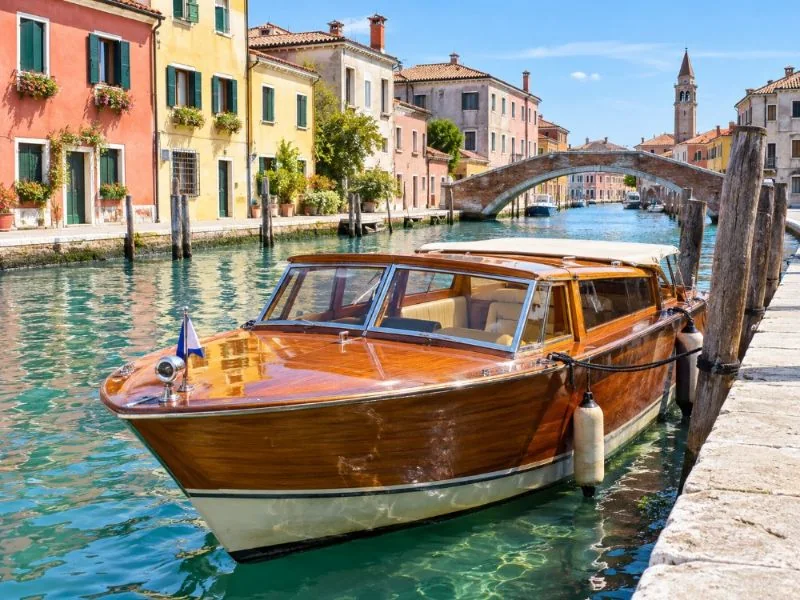
Murano Island & Glass Factory Private Tour
- Water taxi from San Marco to Murano and back
- Glass factory entry with a guide and a glassmaking demonstration
- Guided tour of Murano or free time, depending on the option
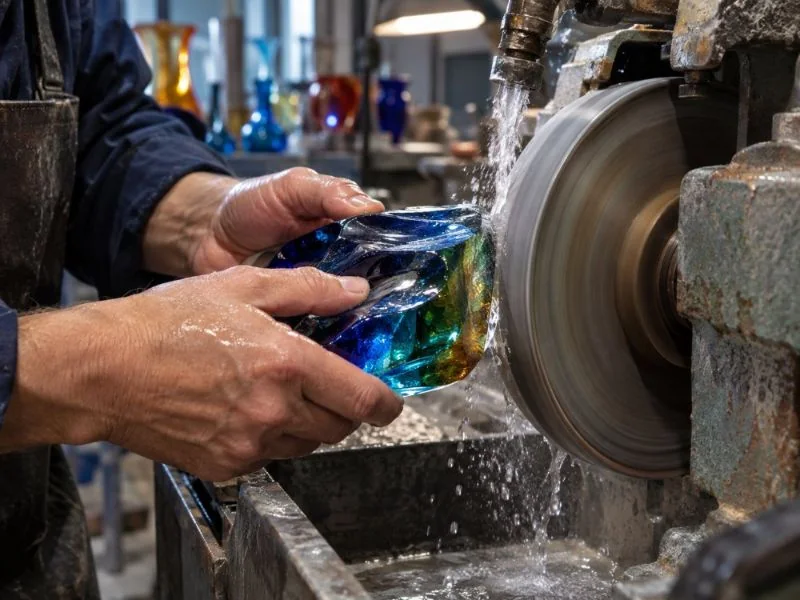
In-Depth Glass Factory Guided Tour
The batch room, the hot shop and the cold shop of a working factory, step by step; the listing says there is no obligation to buy
Murano Glass Museum Entrance Ticket
Glass from antiquity to the 20th century in Palazzo Giustinian, at your own pace; an option adds a daily public transport ticket